Concept: A Tintin Adventure Flowchart

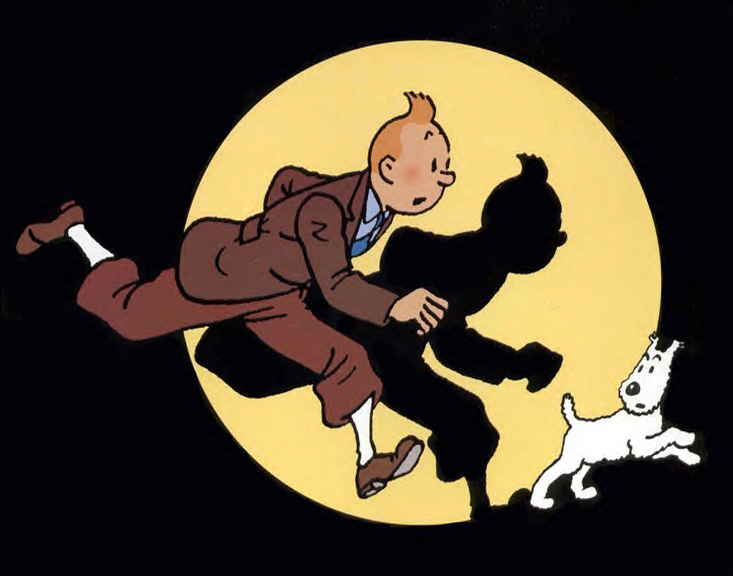
tintinI think I’ve mentioned my love of Tintin previously.  But I’ve just had a fabulous idea, so you’re going to hear about it again.

Some necessary background: Charles Stross wrote an excellent book, The Jennifer Morgue (part of the Atrocity Archives series, very much worth reading).  He based the story (careful, spoilers) on a combination of real world events and James Bond clichés, and did it excellently.  He did this in part by analyzing the Bond oeuvre (I suppose I should say the Fleming oeuvre, but Fleming really didn’t have that much to do with most of the movies) and creating flowcharts of Bond film opening scenes and general plots.

Yes, you read that correctly.  He watched all the Bond films with a friend and wrote up flowcharts to describe what they saw going on.  Here’s the flowchart of a Bond movie opening scene, and here’s the flowchart of a Bond film writ large.

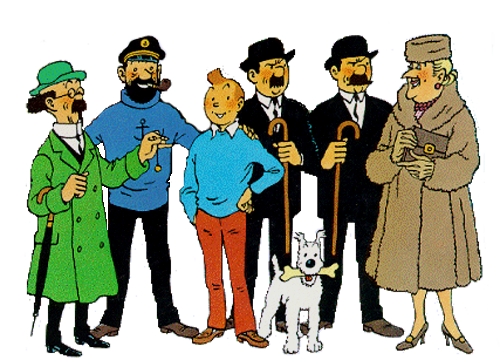
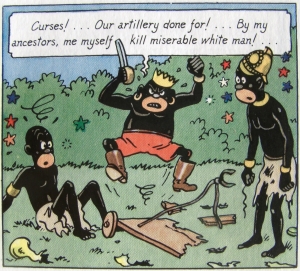
Now, I love Tintin very much, but there are some problems with the old comics.  Consider:

20140112153933!Tintin-mainCastI’m amazed that Castafiore is even included in the cast of characters.

Angry_King_in_Tintin

Yeah, that’s objectionable.

So I’ve been thinking that I should try writing new Tintin stories.  Well, not Tintin per se, but adventure stories like Tintin’s, without the same racist depictions and with better representation all around.  And Stross’ flowcharts have inspired me.  I plan to go through and re-read a number of old Tintin stories, and try to make a Tintin adventure flowchart that I can follow when the time comes.  It might turn out that this is impossible, and Hergé simply had too many different stories, but I suspect that I could pull something useful out of all this.  What do you think?  Are you interested?

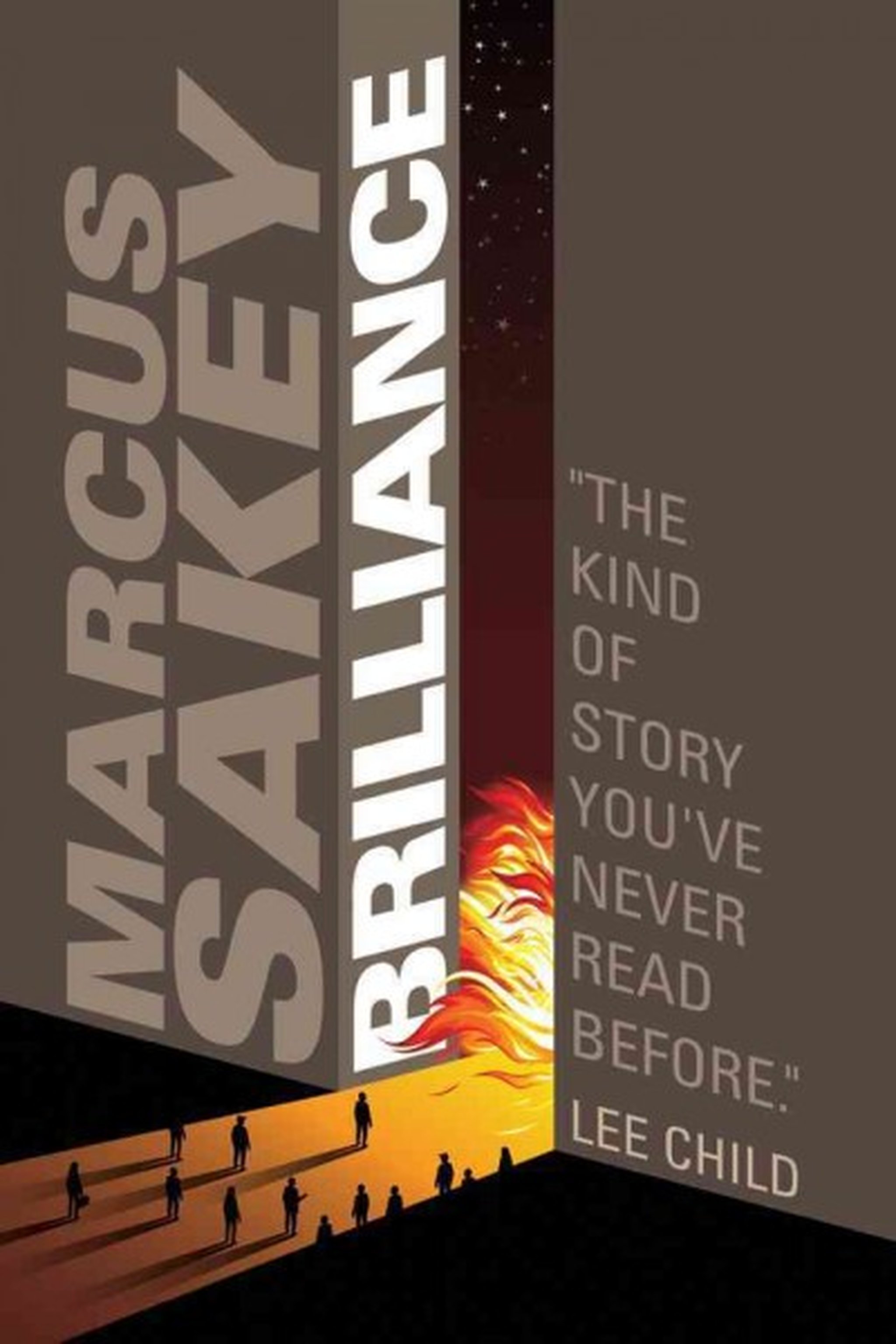
Brilliance, by Marcus Sakey

9781611099690_custom-9ba9bdb4ab35cd10ff6b1ac6d3ca5b74c98bf343-s99-c85


In my case, Lee Child’s cover blurb is highly inaccurate.  Assuming that he includes himself in the group he describes, I’d guess Lee Child hasn’t read many superhero stories; he certainly should be familiar with a number of the other elements involved in Sakey‘s Brilliance.  The book is an excellent combination of superhero fiction, “spy” thriller, and semi-dystopian intrigue, and while I haven’t read many books that combine all of those elements at once, I’m certainly familiar with each of them individually.  That familiarity leaves me well positioned to appreciate the skill with which Sakey unwinds his plot.

The story is set in a world in which some people (1% of the population, more or less) are extremely capable at pattern recognition, generally focusing on a specific subset of their environment.  Our protagonist, for example, is able to read people’s immediate intent through their body language, making him fabulously good at telling where people are going to move within the next few seconds, and at telling whether or not someone believes what they are saying to be true.  This basis for superpowers is simultaneously remarkably constrained and very wide-ranging.  It doesn’t make people superhuman in immediately noticeable ways, and Sakey does an excellent job of keeping to his original concept without breaking the plausibility of the setting.

This is a fast and fun book, and an easy read.  The main character is a quintessential representation of The Man, and the story offers pulpy action goodness, with a thick helping of intrigue, implicit duplicity, and lies.  If you enjoy quick reads that deal with a moderately dystopian alternate present filled with superhumans who are indistinguishable from the rest of us, and all the problems that entails, then I suggest you pick up this book.  You may want to pick it up even if those keywords don’t set your Must Read alarms buzzing, but I’ll save any more description for after the break, where I keep all my spoilers.

Also, just to warn you, this book definitely deals with racism and the abuse of authority.  I think it does it decently, you may think differently.  I don’t think you’d mind it, Stephanie, but I also don’t know that you’d identify with the narrator at all.

Continue reading

Now This Is A Story All About How…

I got to where I am right now
So I’d like to take a minute; just sit right there:
I’ll tell you how I got to the set of sociocultural beliefs I’m at right now and why I think it’s important (especially for gamers) to confront sexism/racism/homophobia within our community because minority groups are already not really taken seriously so all of their bad actions reflect on them whereas bad actions of ‘normal’ people just reflect on people which is why things like Steubenville don’t make the majority of our culture say ‘see, I knew football players were no good’ whereas things like this make people say ‘see, I knew gamers were no good’ when really both of them should lead us to the belief that we live in a self-propagating rape culture

…and I did this all after going to high school in a town called Bel-Air?

Continue reading