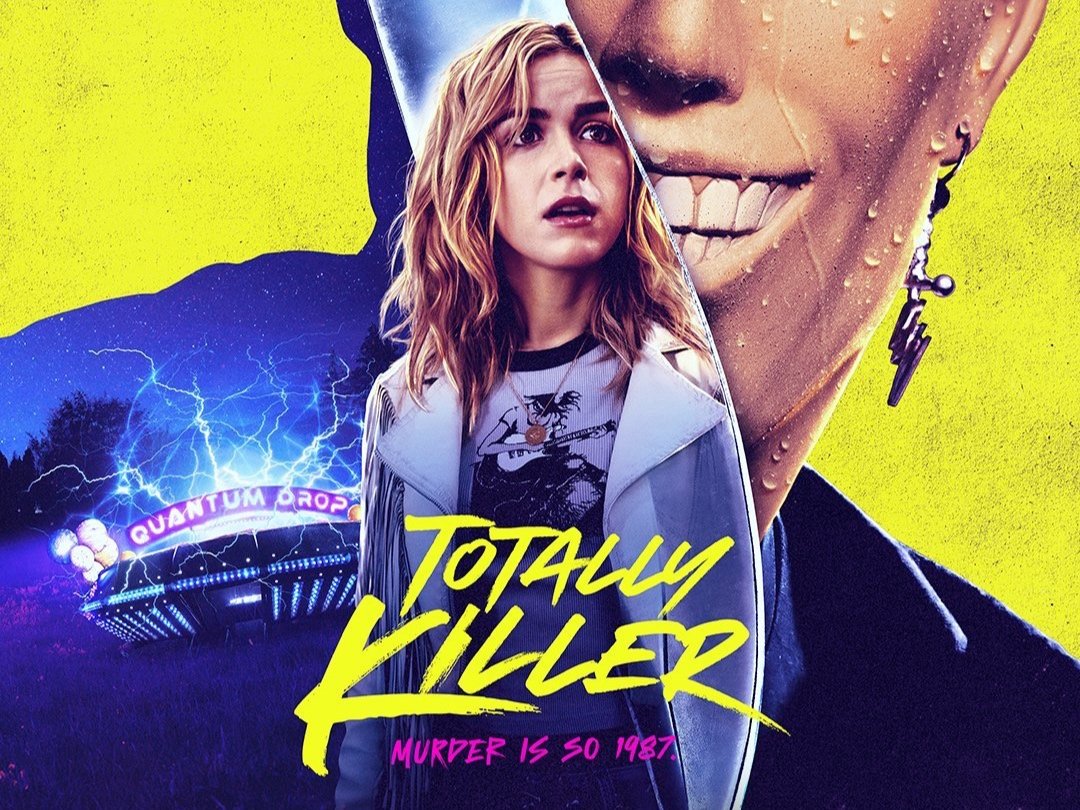
Time travel and slasher movies seem like a rare combination, but there might be something in the air. Last week I watched Totally Killer and really enjoyed it. I think the universe heard my enthused raving, because Time Cut just came out.
I have, in the course of a few short days, seen the number of time travel slasher movies I’m aware of double. Maybe this is the new Moore’s Law and next week I’ll learn about two more? Anyway, I liked Totally Killer a lot, so I had to give Time Cut a try.
Totally Killer has been sitting on my to-watch list since it came out last year.
I’m glad I finally got around to watching it. I had a damn good time. I’m very aware, however, that I was watching this movie through the lens of my love for time travel movies. I have a weakness for them. I feel less comfortable rating this movie as part of the slasher genre—I don’t have the context, it’s not a genre I know as well.
Yes, in case you missed it, this is a time travel movie that was caught in a horrific lab accident and fused with a slasher flick: teenage Jamie Hughes from 2023 is thrown back to 1987 and tries to save her mother and her mother’s friends from a serial killer, without creating a paradox that will erase herself from existence. Your mileage may vary, but I…
There are many ways to play TTRPGs. As long as you’re all having fun you’re doing it right.
It’s easy, however, to stumble over one’s assumptions. Mismatched assumptions about creative control, who’s taking narrative initiative, and what to expect in play are a quick way to sour your fun.
This is a tangent from the “social skills of storytelling” series, working from two inspirations:
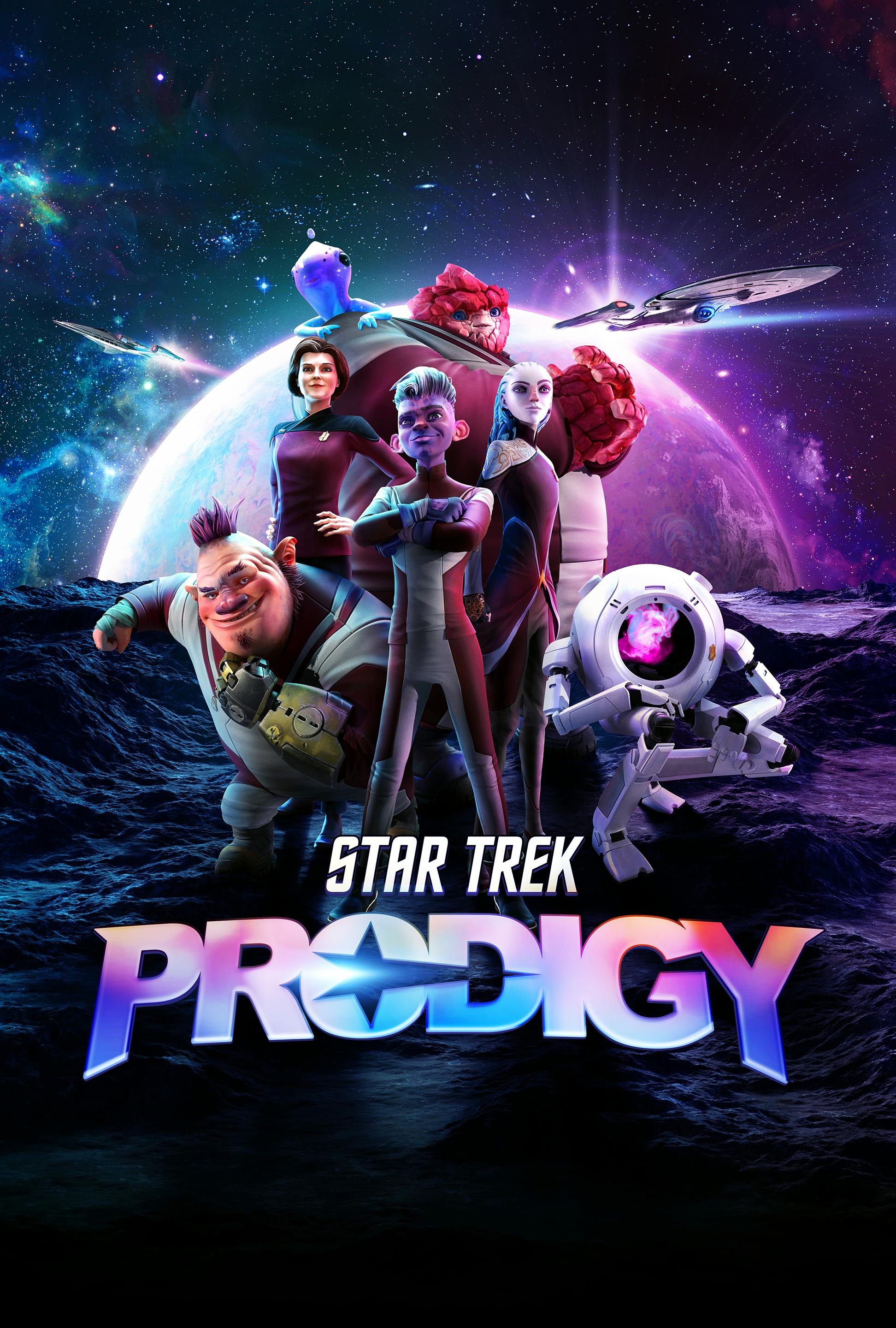
As someone who grew up on Star Trek: The Next Generation,Star Trek: Prodigy didn’t quite feel like a Star Trek show until episode six. That might be a good thing. As much as I love TNG’s broad focus on an ensemble cast with highly episodic story telling, Prodigy’s early adventure-focused plots with clear continuity from one episode to another gives us a narrative throughline that TNG sometimes lacks.
That narrative throughline and dramatic adventure feels a little like Star Trek: Discovery. Discovery felt a little off to me in its first couple seasons, due to its fixation on a single overarching narrative and its exploration of Michael Burnham’s character to the detriment of the broader ensemble cast. It wore the trappings of Star Trek, but felt more like a Star Trek movie turned into a miniseries instead of a Trek TV show. Unlike Discovery, Prodigy bridges the gap from overarching-narrative to interspersed episodic and big-narrative episodes and makes a smooth landing in that Star Trek sweet spot with episodes six and seven. It starts without the Star Trek trappings, but ultimately feels more Trek to me than the first season of Discovery ever did.
Admittedly, I haven’t yet watched much further (I think I’m on episode twelve of season one). I’m not sure that matters. Even with continued exploration of the slightly-more-main characters, the show would have to veer sharply into main-character-ism to lose what it has already established. I think the tonal shift happened at the right time too. The dramatic narrative of the show’s opening episodes feels right for a space adventure, and the transformation into a Star Trek show happens as the crew finally gels and discovers that—despite their disparate backgrounds and disagreements—they share a moral core that is increasingly influenced by the ideals of Starfleet and the Federation.
That transformation feels deeply satisfying. The crew’s growing recognition of their shared moral core feels deeply satisfying too. There’s something funny about that to me; when I started watching Prodigy I wasn’t sure I’d be able to love the show. The first couple episodes felt so strongly like a kids’ show—without the idealistic themes I love and identify with Star Trek—that I feared I’d be stuck enjoying it on only one level as decent children’s fiction. The show’s growth as it moved beyond the opening episodes proved those fears wrong.
If you appreciate good children’s literature (yes, I’m using that to describe a TV show), or if you love Star Trek, then you should do yourself a favor and watch this show. My friends who recommended it to me were totally right. Prodigy takes a couple episodes to really get into gear, but it’s a delight.

 Fistful of Wits