I received really helpful feedback last year alongside a rejection of Bury’em Deep. The agent said (I paraphrase) that she really liked the story, but wouldn’t represent me because she didn’t know an editor who was looking for it. She went on to say that middle grade was an exceptionally difficult market at present; acquiring editors were extremely picky, and she didn’t have the right contacts for upper middle grade space adventure.
I appreciated her candor. Frankly, I think her position is a good one—if she doesn’t know where or how to sell a work, she’s not the agent for that work. She remains the only agent (in over five years of on and off querying) who has given me such clarity in her response.
But all of that left me wondering: what the heck is ”upper middle grade” fiction? Have I been using the wrong term for my story this whole time?
Yes, the story’s themes are well-trodden classics. Yes, I could see the twists before they arrived. No, I didn’t care—Kubo and the Two Strings knew what it was setting out to do, and it delivered that with skillful and focused storytelling. Plus, it’s gorgeous, and its presentation is stylish as hell.
This is not a perfect movie. I feel a little weird about it. But it is an excellent reference for how to write a good all-ages adventure story with heart. That feels especially true when I compare it to the writing of K-Pop Demon Hunters.
I’ve finished Netflix’s season 1 (28 episodes) of Frieren: Beyond Journey’s End. I finished it a while ago, actually, but for baby-related reasons I haven’t had the brains to finish this post. Better late than never, right?
Melancholy, meditative, meandering… Frieren: Beyond Journey’s End has won a spot in my heart. It is a fantasy adventure that cares more about the everyday personhood of its heroes than about epic plots or dramatic achievements. It made me cry, and laugh, and I love how it manages to be bittersweet and yet feel like one of the most forward-looking and optimistic shows I’ve watched in a while.
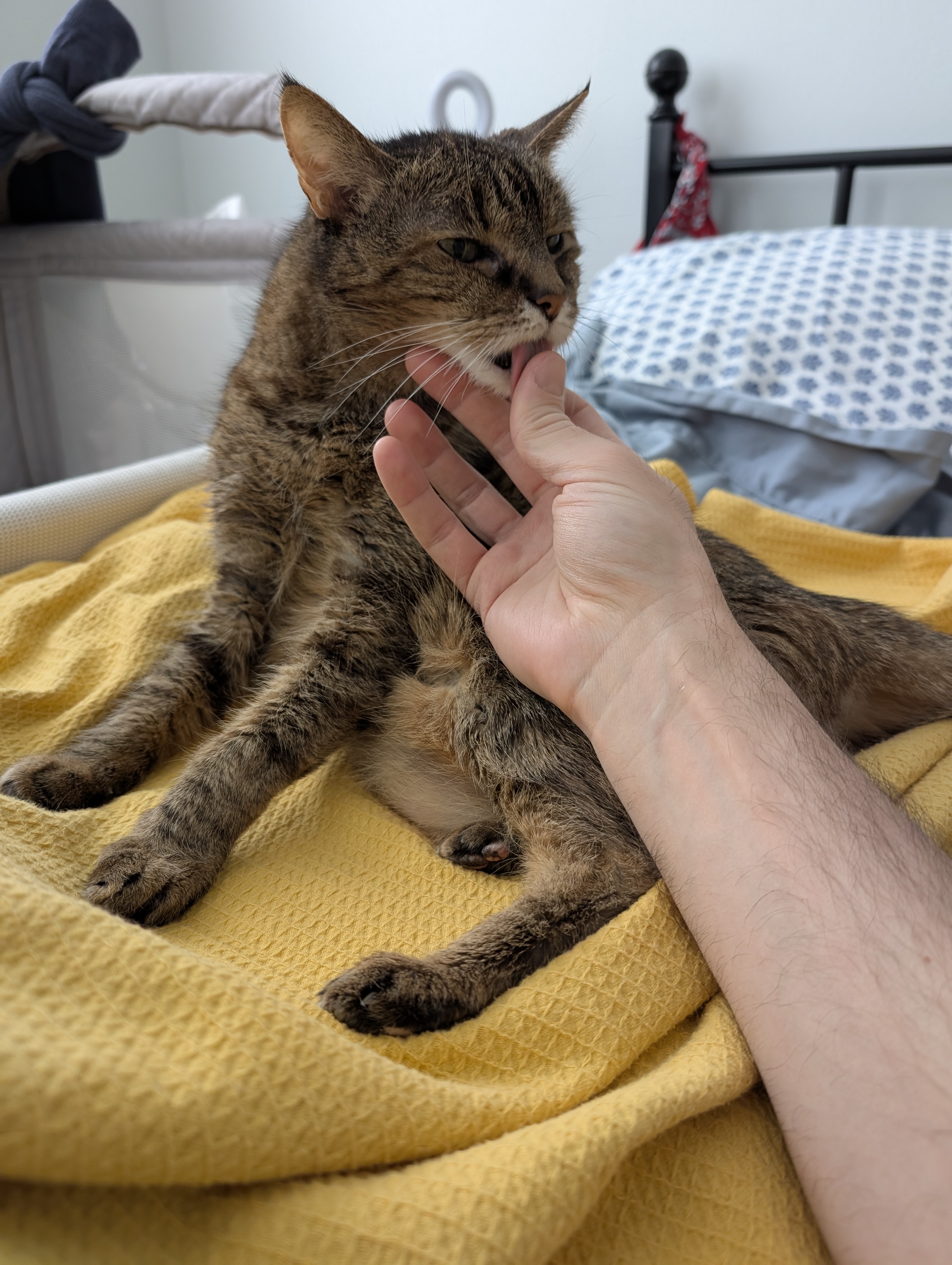
Alex is a good kitty. She sleeps so that I don’t have to. That’s how that works, right?
I read The Ruins of Gorlan by John Flanagan, the first book in the first Ranger’s Apprentice series. I have a bunch of thoughts. Those won’t make it up here today, because despite Alex doing a good job of sleeping for me she has not made me feel more awake or alert. Nor has she taken care of the baby.
I’m glad that these books exist. And I think we’re sorely in need of newer work.
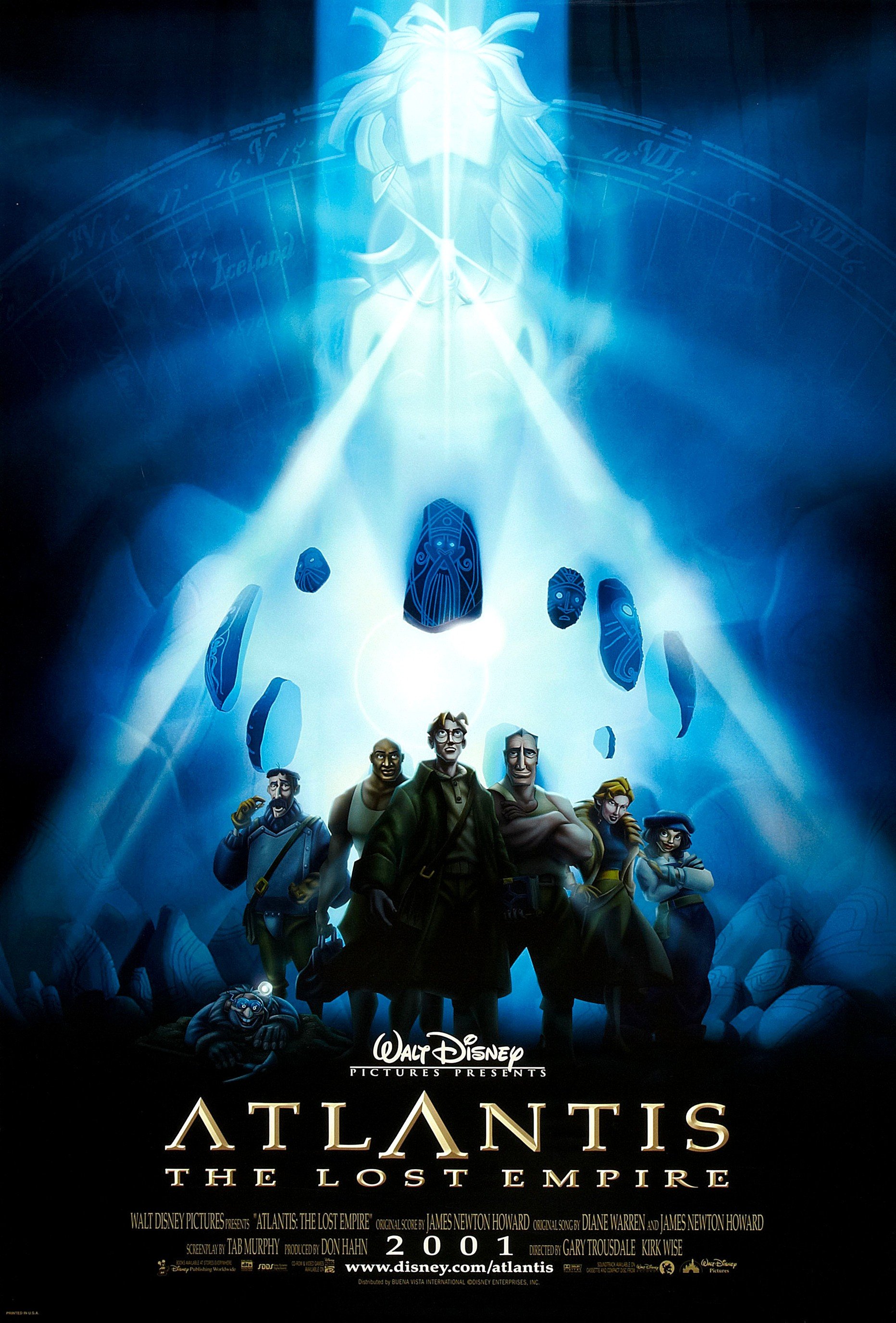
I love Mike Mignola’s style, which permeates everything in this movie. I’m very fond of his Hellboy comics, and had no trouble with this movie’s resulting un-Disney-like animation. Admittedly, some of the animation choices felt a little weird, like the animators struggled at times to convert the character designs into moving figures in ways that felt good. Yet at other points (especially in the movie’s climactic fight scenes) those same characters moved fluidly and naturally through a variety of perspectives, surpassing my expectations beautifully. My love of Mignola’s designs smoothed over the awkward bits for me, and I was very happy overall. If you don’t like Mignola’s art style, or you don’t like the movie’s character designs, you might not enjoy this as much as I did.
Narrative-wise, this movie is… fine? It’s both good and bad.
I love adventure stories, which Atlantis is. I love them so much that I’ll put up with a lot. That said…
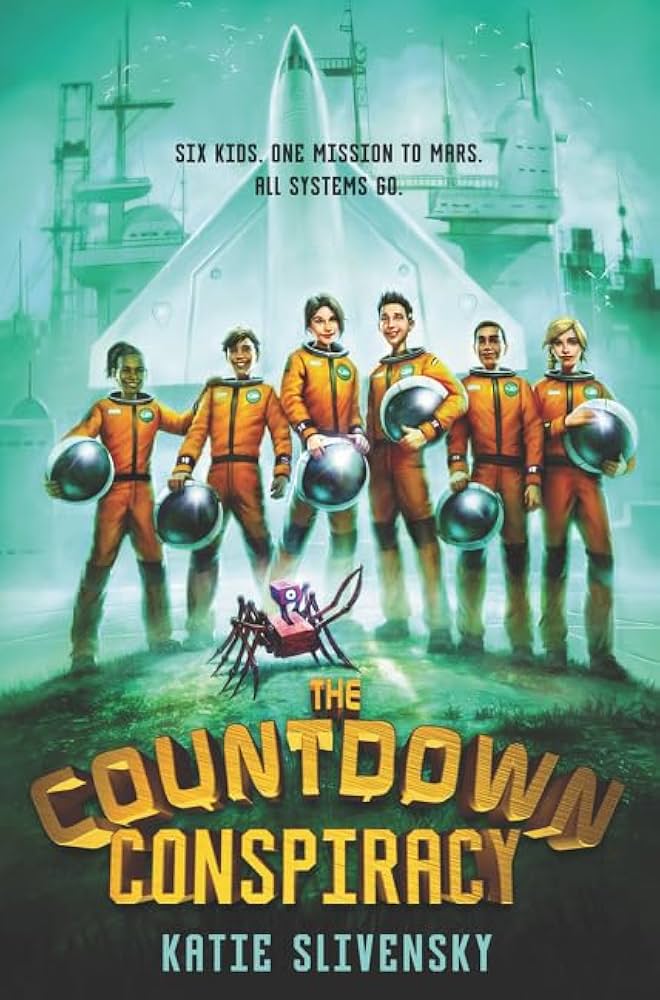
Katie Slivensky’s The Countdown Conspiracy is an upper middle grade adventure story all about six young astronaut candidates preparing for an international mission to Mars. Set on a near-future Earth still recovering from a global war fought over asteroid-mining rights, the story begins with a captivating slow burn and piles of intrigue. The Countdown Conspiracy builds from there to high stakes thrills and a satisfying, ever-escalating race towards the conclusion. I really liked it. A lot.
I’ve fallen off the querying-wagon again, but this book has revived my excitement and renewed my hope. Surely if people enjoy this they’d enjoy Bury’em Deep.
Dandadan is a lot. Episode one made me nervous. It also caught my attention. I stuck with the show, and now episode seven has made me cry big, heartfelt tears.
This show is not what I expected. It frequently has an extremely middle school-ish feel, yet it has also sent me on an emotional rollercoaster. It’s goofy and weird, with an upbeat and sometimes jarring energy. While it is written about (and presumably for) young teens, it feels less siloed in its gender appeal than many other shows I’ve seen aimed at a similar age range.
This show is definitely not for everyone, but… I really like it. Let me tell you why.
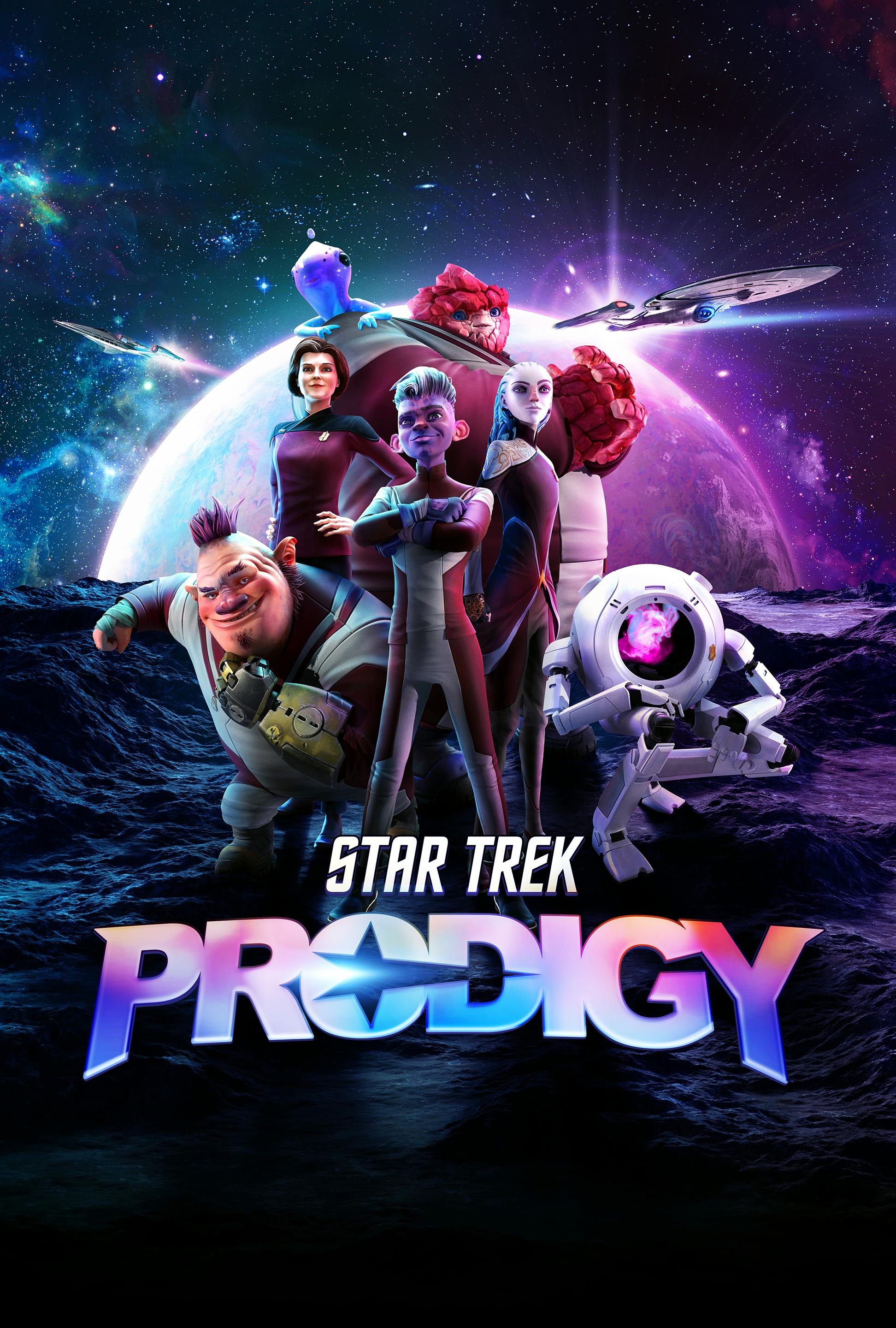
As someone who grew up on Star Trek: The Next Generation,Star Trek: Prodigy didn’t quite feel like a Star Trek show until episode six. That might be a good thing. As much as I love TNG’s broad focus on an ensemble cast with highly episodic story telling, Prodigy’s early adventure-focused plots with clear continuity from one episode to another gives us a narrative throughline that TNG sometimes lacks.
That narrative throughline and dramatic adventure feels a little like Star Trek: Discovery. Discovery felt a little off to me in its first couple seasons, due to its fixation on a single overarching narrative and its exploration of Michael Burnham’s character to the detriment of the broader ensemble cast. It wore the trappings of Star Trek, but felt more like a Star Trek movie turned into a miniseries instead of a Trek TV show. Unlike Discovery, Prodigy bridges the gap from overarching-narrative to interspersed episodic and big-narrative episodes and makes a smooth landing in that Star Trek sweet spot with episodes six and seven. It starts without the Star Trek trappings, but ultimately feels more Trek to me than the first season of Discovery ever did.
Admittedly, I haven’t yet watched much further (I think I’m on episode twelve of season one). I’m not sure that matters. Even with continued exploration of the slightly-more-main characters, the show would have to veer sharply into main-character-ism to lose what it has already established. I think the tonal shift happened at the right time too. The dramatic narrative of the show’s opening episodes feels right for a space adventure, and the transformation into a Star Trek show happens as the crew finally gels and discovers that—despite their disparate backgrounds and disagreements—they share a moral core that is increasingly influenced by the ideals of Starfleet and the Federation.
That transformation feels deeply satisfying. The crew’s growing recognition of their shared moral core feels deeply satisfying too. There’s something funny about that to me; when I started watching Prodigy I wasn’t sure I’d be able to love the show. The first couple episodes felt so strongly like a kids’ show—without the idealistic themes I love and identify with Star Trek—that I feared I’d be stuck enjoying it on only one level as decent children’s fiction. The show’s growth as it moved beyond the opening episodes proved those fears wrong.
If you appreciate good children’s literature (yes, I’m using that to describe a TV show), or if you love Star Trek, then you should do yourself a favor and watch this show. My friends who recommended it to me were totally right. Prodigy takes a couple episodes to really get into gear, but it’s a delight.
I’ve now seen this movie a second time. I liked it the first time I saw it, and had fond memories of the movie. I don’t remember where I was the first time I watched it, though I don’t think I saw it in theaters. Regardless, it was years ago.
I just watched it again this last week with my niblings. I’m unsettled.
Megamind is a good, fun movie. Mostly. It’s so painfully close to just being a good fun movie, and it still can be if I only empathize with the main character Megamind. That’s probably what I did the first time I watched this.
This time around, I saw things from Roxanne Ritchi’s perspective. In so doing, I realized that Megamind is a horror movie. Now I can’t un-see it.