Boots, halfway through: A Marine-shaped box

The less morbid option for a Marine-shaped box

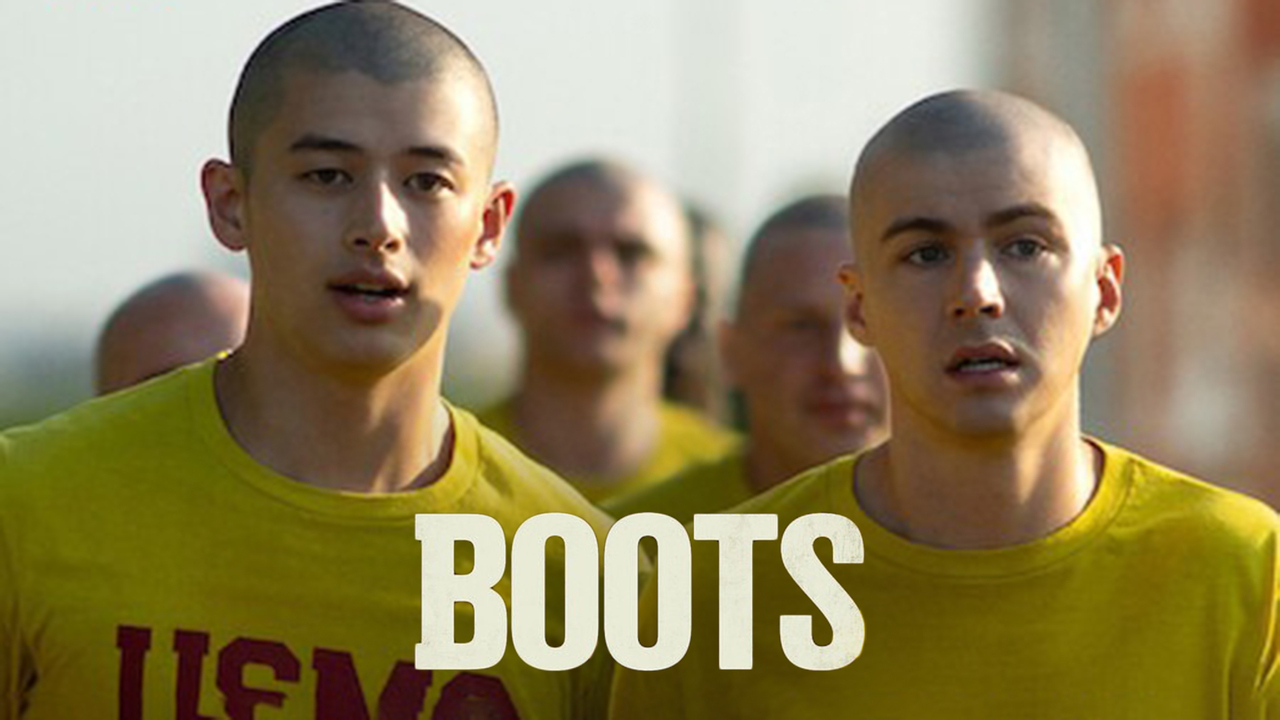
I’ve watched more of Boots, finishing episode four and just barely starting episode five. The show’s message feels clearer now. My initial curiosity is congealing into grim resignation.

Boots isn’t bad. It’s well crafted. The character portrayals and overt construction of masculinity that piqued my curiosity still remain. I can still enjoy picking through and examining them. I can enjoy stripping them for parts.

The show isn’t bad/wrong, the storytelling isn’t bad/wrong, but I like Boots less now.

Why?

Continue reading

Boots (Netflix 2025)

I’ve seen the first episode of Boots, and I have mixed feelings. 

I’m not sure how to engage with the show. It’s the sometimes funny, sometimes awful story of a young gay man named Cameron Cope who joins the Marines (in 1990, when homosexuality in the armed forces was still criminalized) without really knowing what he was getting himself into. Boots is based on the book The Pink Marine by Greg Cope White (no relation to the best of my knowledge), which is apparently a memoir of White’s own time in the Marines.

I’m unsure about Boots because I’m not sure what Boots is trying to say, or what conclusion it’s reaching towards. Does it have a negative message about being in boot camp as a young gay man in 1990? Does it have a positive message about that?

Is it both?

Continue reading

Making Monsters

You’re a monster. If you’re a good monster, you’ll be able to resist your terrible urges for a long time. We like good monsters! You should be one. But eventually you’ll do something unspeakable and hurt those around you, those you love. Because you’re a monster. We all knew it would happen sooner or later. We were just waiting, dreading the day when you’d reveal how awful you truly are.

But there are other monsters out there who tell you that you aren’t a monster. None of you are. Just like them, you aren’t evil. Maybe you could use a better attitude, some self-improvement. Your new friends have lots of advice about that. But those others who tell you that you’re a monster? Lies. Jealousy. Those lies are sick mind games meant to control you, to trap you, told by liars trying to profit while you suffer.

You don’t have to listen to those lies. You just need to be stronger. You need to be harder, and faster, and better. You need to understand that those people who say you’re a monster, their opinions don’t really matter. They don’t really matter. You can do better without them. If you really want people like that in your life, make sure that you’re the one in control—not them.

After all, you’re the man.

Or maybe you have some other privileged identity, and the people telling you that you aren’t a monster are spinning a slightly different story. That’s not the important part. What really matters is that there are people who tell you that you should feel bad, and others who tell you not to worry about it. Which ones feel better to listen to? Which ones give you hope?

In case you couldn’t guess, this is a follow-up to Are Boys The Problem?

Continue reading

Are Boys The Problem?

A reddit thread has been living rent free in my brain and scattering its gross leftovers all over the couch of my cortex.

Last week, while I was prepping my post about Some Desperate Glory, I read a post on r/newparents from a first time mother wrestling with her cognitive dissonance around having a son. She described herself as a feminist who no longer believed that all men were bad (she cited her husband as a good example), but who still struggled to reconcile her fear, animosity, and resentment towards most men with the idea of raising a young boy. She said (I paraphrase) she was trying to understand how to raise a young boy to be a good man with positive models rather than negative ones. She asked for help and advice.

I was immediately awash with thoughts, with so many ideas that I wanted to share. I wanted to lend my perspective as someone socialized male, as a camp counselor working with teens, and as a new father. Yet as I read on through other’s replies, I despaired.

The post has since been deleted. I’m not surprised that the post was deleted. I’m not happy about it either. I’m caught between wishing I’d replied faster and being glad that I didn’t stick my neck out. You might be able to guess why, but let me explain.

Continue reading

News, LARP writing, Pomodoro

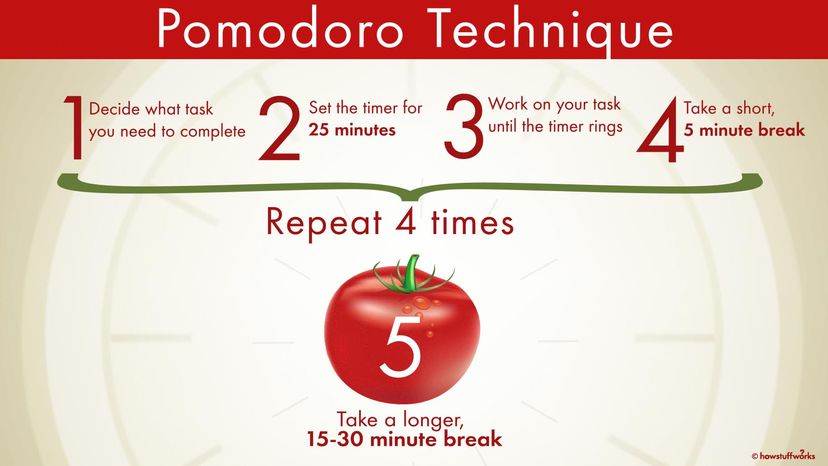
One of my writing group friends suggested I try writing in 30 minute sprints, with a little (also pre-measured) time off between sprints for breaks, other work, other projects. It’s a minimally different variation on the Pomodoro technique. I’m surprised I hadn’t learned this work method before.

I was hesitant to take their suggestion. I usually struggle to fall into the zone that I find so helpful for writing. Writing without being in the zone feels like pulling teeth, getting into the zone takes a while, and… round and round the problem goes. But I’ve been pretty desperate to get more writing done, so I tried it.

It’s fucking phenomenal. I don’t know why it’s working for me right now. And I’m not going to look a gift writing-hack in the mouth.

The other important piece of implementing this for myself has been stricter limits on what I can and can’t do before I start writing in the morning. Listening to music is good, physical movement is good, but reading anything is dangerous, and watching a video is right out (doesn’t seem to matter whether it’s news, documentary, someone’s Let’s Play, or what). I could probably find something that would be okay for me to watch (maybe a sped up painting process for a fantasy landscape), but that would require me to navigate past lots of other enticing videos which would drag my eyes in.

Safer not to risk it. More productive not to risk it.

This is a little awkward, since it means I can’t safely read news before writing. Not even the tech news I use to doublecheck my various sci-fi projects. I also have to avoid responding to any notifications on my phone, which pile up quickly. In fact, this makes it difficult to use my phone at all, even though it’s currently my alarm clock, morning music source, and timer for this approach.

But the upside to this improved morning mental hygiene is that when I set that 30 minute timer I make significantly more progress.

A little context.

I used to regularly produce 2k words a day, mostly without a struggle. Being in that rhythm felt a lot like any other fitness regimen: it hurt to get up to speed, and every so often one of those days would be a total drag. But when I was regularly writing 2k a day, it felt… familiar. Not necessarily comfortable, but certainly not onerous. And at the end of producing that 2k, I felt good. Energized.

Writing with this timer system, with better morning mental hygiene, feels like that. I’m reaching rates close to my 2k a day. It feels great. And when the timer goes off, I can do something else that’s been weighing on my mind before I go back to writing… because I’m free of the need to be writing. I’m not constantly should-ing myself, scolding myself for insufficient focus or insufficient productivity.

I think that’s the biggest lesson I’ve found so far. This external practice frees up my internal judgements. When the timer is on I know it’s time to go. When the timer is off I know it’s okay that I’m not going. That state of being okay with not writing is incredible for my state of mind.

I’ve felt able to let go and make more new stuff that isn’t connected to anything else (yet). That isn’t helpful to my pre-existing projects, but it feels good, like I’m clearing out old pipes that had rusted nearly shut with arterial blockage. Setting aside time like this lets me turn off the voice that’s constantly worrying about what I should be doing right now, what I should be doing next, and just make stuff.

I guess what I’m trying to say is… I’m really appreciating this. I don’t know to what degree this is better brain weather, or better mental hygiene, or a useful way to guide my brain in the right direction. I don’t especially care. I’ll probably try tweaking the lengths of work sprints and breaks, but I’m definitely keeping this.

It’s even helped me feel so much less stuck that I’ve felt free to help friends with material for their LARP. I’m putting together group backgrounds based on a few objectives and a thin thread of preexisting setting, and its rewarding to quickly share those with an appreciative audience. Helps to remind me that I’m competent at this, pulling voice and larger worlds together from a few scraps.

Blood Bowl 2, for socializing with friends

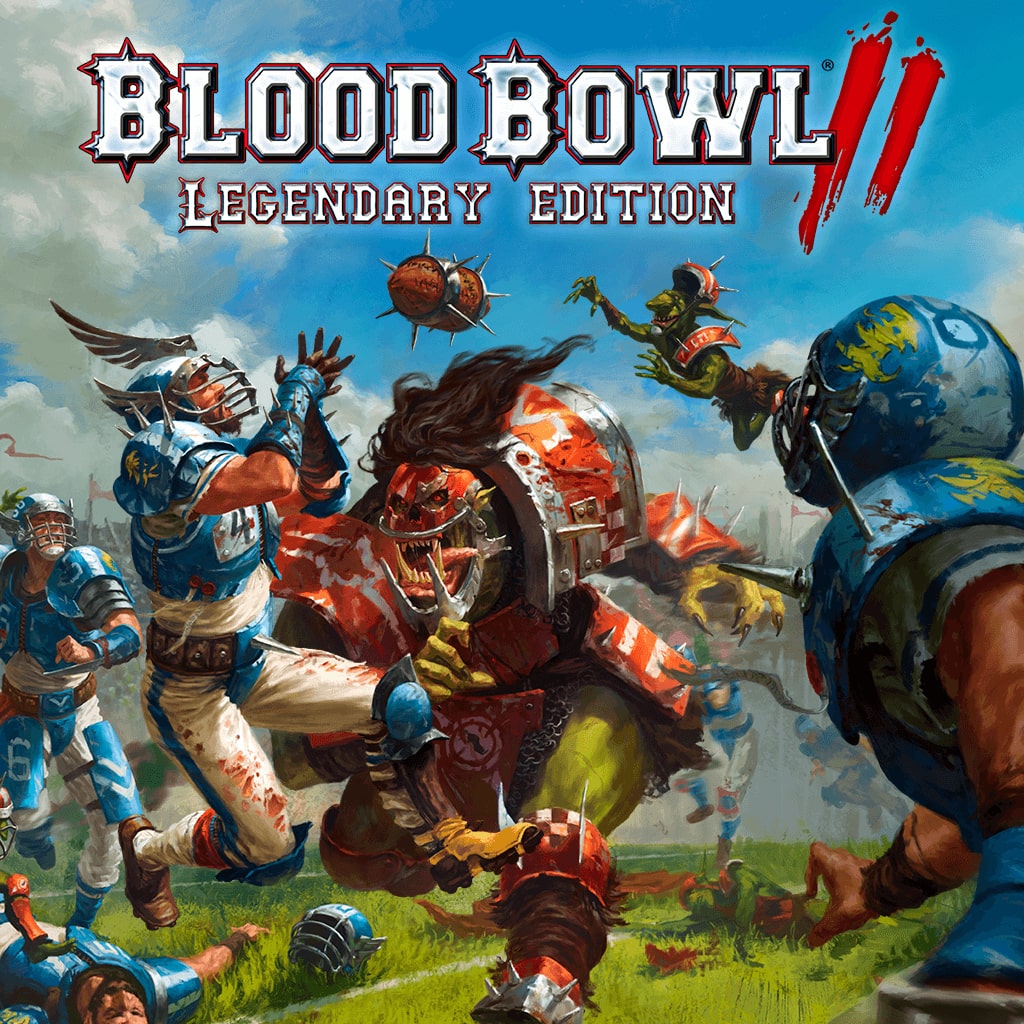
This is not a recommendation, this is just me musing on a game that I’ve been enjoying with my friends for the past… COVID, really. We started playing together in the spring of 2020, when we realized that we weren’t likely to see each other for a long while. I’d never played Blood Bowl before, though I remembered seeing a couple painted minis for it when I was a little kid.

I thought those looked cool, like pretty much everything else that my older sibs touched.

Normally, my friends and I would all see each other in the summer while we worked at LARP camp. We’re also quite close, emotionally speaking; being able to talk to them regularly was (is!) sanative and restorative for me. Given that I’m bad at staying in touch with anyone I don’t see regularly or intentionally schedule time with, playing a semi-weekly fake sports match in a league with my friends was pretty ideal.

The game, however, was not easy to love. Blood Bowl is a satirical mashup of soccer hooliganry, American football, and rugby, and it’s about as violent as it is tongue-in-cheek. It’s also a troublesome beast, full of non-obvious rules and capricious randomness. You can absolutely play an excellent game and still lose because you were sufficiently unlucky with your dice. And you can win a game with a mere tactical victory, while most of your team lies broken and bleeding on the pitch.

In a strange way, I think Blood Bowl was a very appropriate game for me to start playing during the early stages of a pandemic. You have to learn equanimity to play well, or at least learn to recognize when you’ve lost that balance. You can only play your best, try to control what you can, and understand that there’s always something that simply isn’t up to you. In that way, it was quite good at teaching me to let go of trying to control absolutely everything.

Useful, given the world’s circumstances.

For a long time, perhaps over a year of playing the game, I wasn’t even interested in playing with anyone besides my friends. No matter how much fun I had playing, it was often still stressful. And the thought of playing with anyone I wasn’t close friends with—anyone I wasn’t LARP-camp friends with—had very little appeal. A lot of the joy I got from the game came from naming my team and players after good bits, things that I could play to the hilt and which I and my friends could laugh about. It helped that some of my fellow players were into pro-wrestling and convinced us all to indulge in the kayfabe and the creation of faces and heels for our league.

But I think I’ve finally turned a corner. I can’t say I’m likely to start playing games with randoms on the internet, but I’ve finally reached a point where the game feels more rewarding and less stressful. Maybe that’s from growing skill and familiarity, maybe it’s a shift in mental health and brain weather, or maybe it’s something else. Suffice to say, I do actually enjoy the game these days. I don’t only engage with it as a way of maintaining regular contact with my friends (though that is still something I treasure).

For myself, I’m looking forward to more seasons of Blood Bowl to come. And I can’t wait to see whether the Skraghaven Squigbitas can take down that uppity bunch of varsity kids, the Kronar High Neandertals. I plan to watch, and heckle, and root for my friends this Saturday while we find out what wildly improbable inanity will happen this time.

I think I finally understand what people love about rooting for their teams in real life sports. I won’t say that you should try the game, or that you’d enjoy it, but… you might?

Under the right circumstances, you might.

A Mental Health Day for Henry

This morning, for the first time in a long time, I paid attention to how I was feeling and decided that what I really needed to do was take a mental health day. I haven’t written anything for my creative projects today, and I’ve decided to be okay with that. That’s mostly working. I took time to socialize with a friend I haven’t hung out with for too long, and that was great. This isn’t to say that I haven’t written anything; I had a course evaluation that I was supposed to fill out last month which I finally took care of (to the tune of 1822 words, no less). And I’m writing this, here. But I’m taking a break from trying to outline interactive fiction (which is a frustrating pain in the ass), and focusing instead on giving myself a break of sorts. And that’s been pretty good.

I’ve thought, for some time, that I must have struggled with depression at some scale for a good portion of my adult life. I’ve never discussed this at length with a professional, so I’m not sure how to judge it. I think college is the first time that I can recognize what I now believe were depressive episodes. I haven’t previously given myself space to call it depression because I always figured that other people must have it worse; claiming that I suffered from depression (to any extent) seemed like it was presumptuous, claiming attention for myself that I didn’t deserve and taking it from people who *obviously* deserved it more, people who weren’t poseurs like me. After all, I was basically managing to cope, and other people seemed like they had it worse.

But that is dumb. I still don’t think I suffer as much from this as others (including a number of my friends) do, and I still don’t want to be a distraction. But I’ve abandoned my implicit assumption that this has to be a zero-sum game. Admitting that I have trouble sometimes doesn’t mean that other people who are dealing with depression (or other mental health issues) can’t get what they need. And, providing I’m not a greedy loud jerk about it, talking about it might help other people rather than suck the oxygen out of the room.

I am fortunate to have friends who talk about their own experiences with depression, and the feelings and experiences they associate with their own depressive episodes. Without them, I would not have learned to recognize my own experiences as something that merited my attention, nor would I have recognized that I could do things to head off my feelings of depression and avoid making my life worse. Listening to them talk about the ways they deal with their own feelings has helped me. It’s proof that mental health doesn’t have to be a competition (which I suppose should be obvious, despite past-Henry’s unconscious assumption).

I’m especially fortunate to have these friends because, when I recognized those twinges this morning, the habitual narrative that I’ve learned so well, I finally had the thought that maybe I should take care of myself. I’ve had a much better day because of it.

I hope I remember this for the future. I hope I can share this with others in a way that helps them too.

Eric Flint and Determined Optimism

I love reading Eric Flint’s books.  Even when they’re not especially “good,” per se, I still go out of my way to get my hands on them.  There’s something special about the way that he constructs story-worlds that I find captivating, and I think I may finally have some of the right words for it.  Time and again, I’m struck by the way in which his stories convey a rigorously optimistic, idealistic world view; his protagonists work together to create a better world, or a better future, or a better something else, but there’s always the underlying presence of cooperating with others in order to improve upon what already exists.  I don’t always agree with everything that he writes, but given a choice between an Eric Flint-esque book and something less hopeful, I’ll pretty much always pick Flint (or at least return to Flint after a jaunt elsewhere).

Part of it has to do with inspiration, and part of it has to do with my personal headspace.  I consistently reference the need for inspiration towards something better when I review Flint’s books, often referring back to my article on Schindler’s List.  I sometimes feel willfully self-deceptive when I consciously shape my media consumption like this, but I find that my own outlook on life is far more positive and constructive when I make sure that I balance my media intake with more hopeful and inspiring stories.

All of which is to say that I find that Flint’s writing serves a very distinct purpose.  I like his work more for the fact that he very specifically introduces such positive people and/or groups into his stories; I find it tremendously reassuring to read about people consciously working together to create a better world, and I often feel more empowered to do the same after reading his work.  It makes a nice counterweight to my research into things like sex slavery, MKUltra, or Operation Condor.  There’s something refreshing to Flint’s idealistic community organizing that helps to clean out the toxicity of the horribly sinister things that we human beings have routinely done to each other.

I think there’s more to be covered here, but I’ll leave it at that for the moment.  What do you think?  Do you have similar mental health management strategies?  Do you actively seek inspiration in the media that you consume?