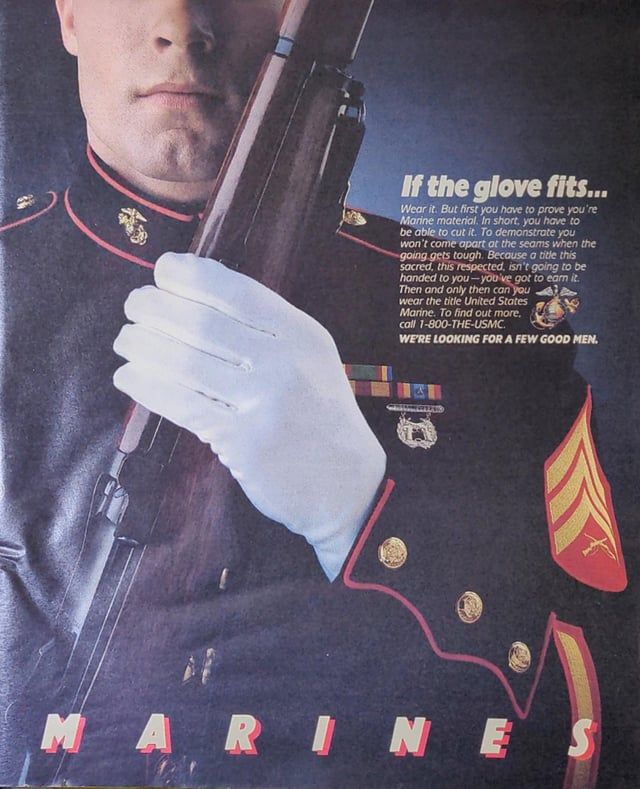
Boots, halfway through: A Marine-shaped box

The less morbid option for a Marine-shaped box

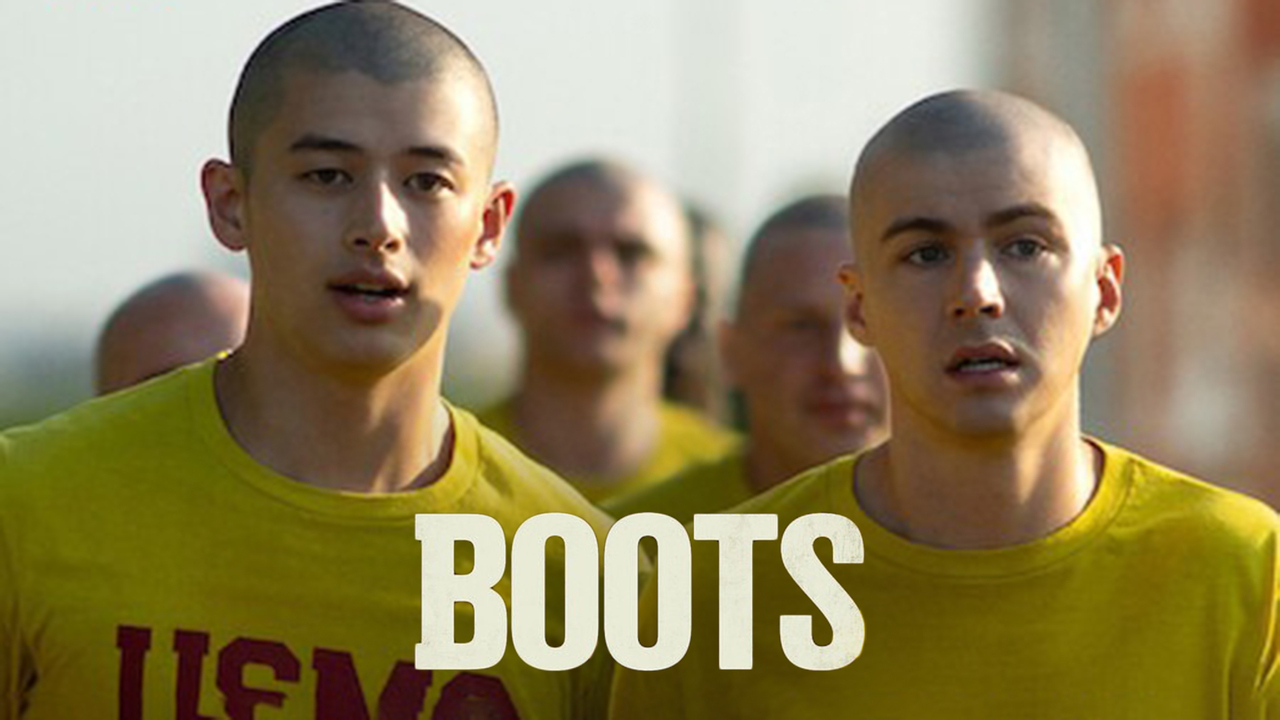
I’ve watched more of Boots, finishing episode four and just barely starting episode five. The show’s message feels clearer now. My initial curiosity is congealing into grim resignation.

Boots isn’t bad. It’s well crafted. The character portrayals and overt construction of masculinity that piqued my curiosity still remain. I can still enjoy picking through and examining them. I can enjoy stripping them for parts.

The show isn’t bad/wrong, the storytelling isn’t bad/wrong, but I like Boots less now.

Why?

Continue reading

Boots (Netflix 2025)

I’ve seen the first episode of Boots, and I have mixed feelings. 

I’m not sure how to engage with the show. It’s the sometimes funny, sometimes awful story of a young gay man named Cameron Cope who joins the Marines (in 1990, when homosexuality in the armed forces was still criminalized) without really knowing what he was getting himself into. Boots is based on the book The Pink Marine by Greg Cope White (no relation to the best of my knowledge), which is apparently a memoir of White’s own time in the Marines.

I’m unsure about Boots because I’m not sure what Boots is trying to say, or what conclusion it’s reaching towards. Does it have a negative message about being in boot camp as a young gay man in 1990? Does it have a positive message about that?

Is it both?

Continue reading

Videos from Schnee, 9/18/2025

I’m still recovering but I have videos for you from Schnee, a YouTuber whose analysis of stories I really appreciate. The first is an intriguing exploration of feminine rejections and explorations of femininity (GREMLIN MODE), and the second of these videos (How to Write MASCULINE SHAME…) feels deeply connected to my posts on masculinity and gender (Are Boys The Problem? and Making Monsters).

I hope you enjoy engaging with these videos as much as I did.

Making Monsters

You’re a monster. If you’re a good monster, you’ll be able to resist your terrible urges for a long time. We like good monsters! You should be one. But eventually you’ll do something unspeakable and hurt those around you, those you love. Because you’re a monster. We all knew it would happen sooner or later. We were just waiting, dreading the day when you’d reveal how awful you truly are.

But there are other monsters out there who tell you that you aren’t a monster. None of you are. Just like them, you aren’t evil. Maybe you could use a better attitude, some self-improvement. Your new friends have lots of advice about that. But those others who tell you that you’re a monster? Lies. Jealousy. Those lies are sick mind games meant to control you, to trap you, told by liars trying to profit while you suffer.

You don’t have to listen to those lies. You just need to be stronger. You need to be harder, and faster, and better. You need to understand that those people who say you’re a monster, their opinions don’t really matter. They don’t really matter. You can do better without them. If you really want people like that in your life, make sure that you’re the one in control—not them.

After all, you’re the man.

Or maybe you have some other privileged identity, and the people telling you that you aren’t a monster are spinning a slightly different story. That’s not the important part. What really matters is that there are people who tell you that you should feel bad, and others who tell you not to worry about it. Which ones feel better to listen to? Which ones give you hope?

In case you couldn’t guess, this is a follow-up to Are Boys The Problem?

Continue reading

Are Boys The Problem?

A reddit thread has been living rent free in my brain and scattering its gross leftovers all over the couch of my cortex.

Last week, while I was prepping my post about Some Desperate Glory, I read a post on r/newparents from a first time mother wrestling with her cognitive dissonance around having a son. She described herself as a feminist who no longer believed that all men were bad (she cited her husband as a good example), but who still struggled to reconcile her fear, animosity, and resentment towards most men with the idea of raising a young boy. She said (I paraphrase) she was trying to understand how to raise a young boy to be a good man with positive models rather than negative ones. She asked for help and advice.

I was immediately awash with thoughts, with so many ideas that I wanted to share. I wanted to lend my perspective as someone socialized male, as a camp counselor working with teens, and as a new father. Yet as I read on through other’s replies, I despaired.

The post has since been deleted. I’m not surprised that the post was deleted. I’m not happy about it either. I’m caught between wishing I’d replied faster and being glad that I didn’t stick my neck out. You might be able to guess why, but let me explain.

Continue reading

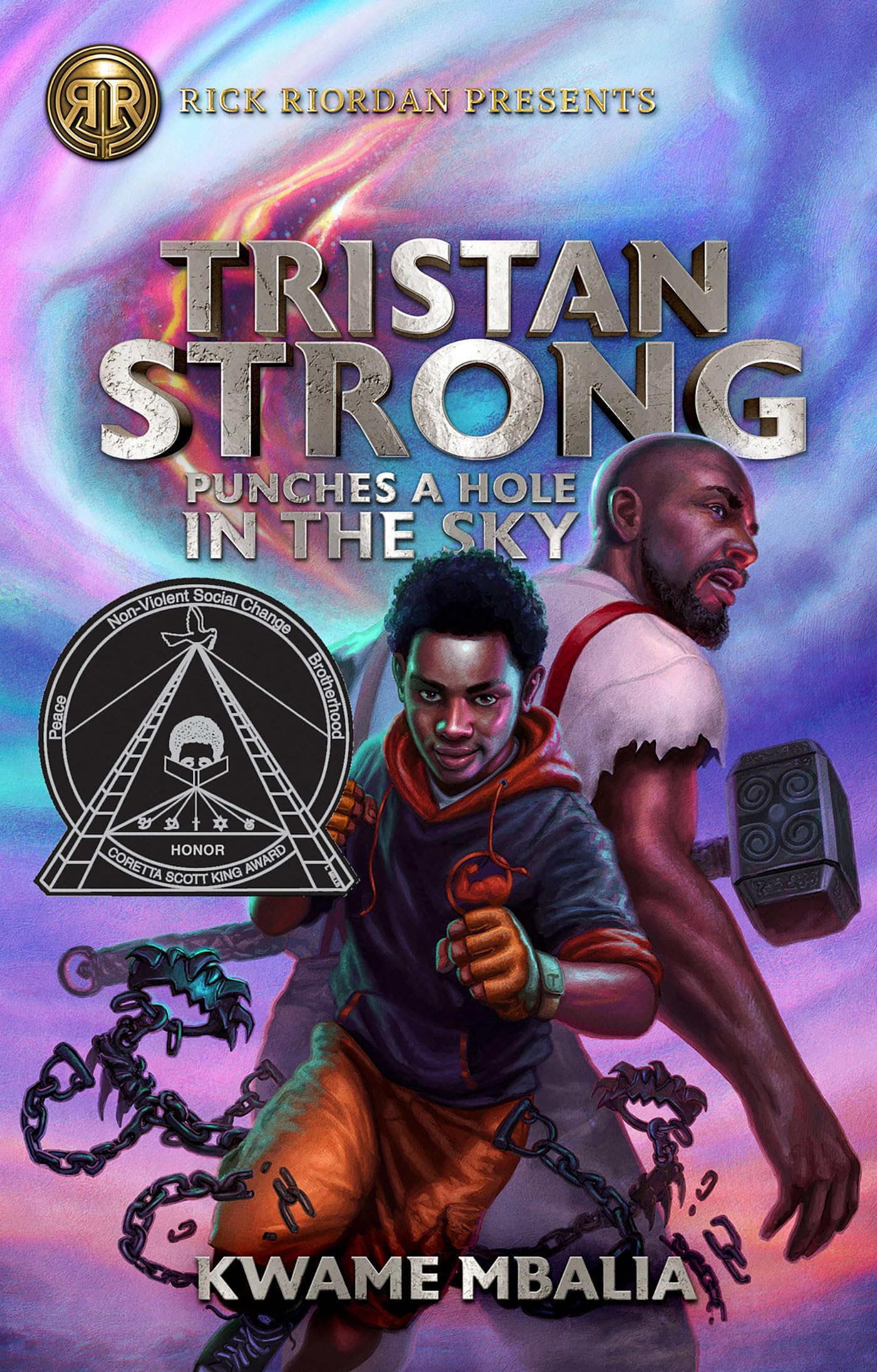
Tristan Strong Punches A Hole In The Sky, by Kwame Mbalia

I love a good middle grade adventure story. That’s precisely what this is. As you might expect from something published under Rick Riordan’s imprint, it’s full of mythology and folk tales and legends. Tristan Strong Punches a Hole in the Sky, by Kwame Mbalia, is all about one young boy’s discovery that the stories he’s grown up with (African-American stories with American folk heroes like John Henry, African trickster figures like Anansi, and those who blur the lines like Brer Rabbit) are all far more real than he ever could have believed. It’s fun, it’s pretty fast, it’s (heh) punchy. This is a good book.

I admit, my appreciation for this book is influenced by my desire for more high quality middle grade adventure stories aimed at boys. There’s a lot more to unpack there, some of which can be better understood by reading Of Boys And Men by Richard V Reeves. Read on for some of those details, as well as my few quibbles with Tristan Strong.

Continue reading