Why you tilt the camera, Spider-Noir, 6/4/26

I’ve been enjoying watching Spider-Noir with Ley.

I was adamant that we should watch in black and white. Ley was willing to follow my lead. After finishing the first episode we spoke again about whether the show would look as good in color, and they said “No, it’s art.”

It’s not hard to find people who agree with this position online. I happen to think it’s the right one. I’d heard that the show was filmed with black and white in mind, and that seems obvious to me on watching it.

I wanted to be sure, though. I went through different scenes, rewatching them in color. I admit, the color version looks good too! Working in black and white obviously has a cost; I kind of like knowing that Robbie is wearing warm and punchy reddish hues in episode one, and I wouldn’t have known that without going back to check the color version.

But the black and white version sings. Yes, the color version looks good, but it’s a different kind of good—and I’d argue that the color version isn’t the right kind of good for this show. The team that made Spider-Noir knew what they were doing when they shot for black and white. 

That raises some questions though. Clearly, reality isn’t black and white. The filmmakers aren’t working with purely black and white source material. How then are they getting such incredible results?

Like Ley said, it’s art. It’s art, and a lesson in the importance of knowing one’s craft and intended genre. How can we apply that lesson beyond film?

Continue reading

The Peripheral, by William Gibson

The Peripheral is a science fiction novel from William Gibson set in an awfully recognizable near future and a slightly less recognizable but still palpable further future—there’s kind-of-time-travel, but not quite. It’s been so long since I last read Gibson. I’d forgotten how wild and weird his books can feel, while also feeling so grounded in our own reality. I wrote a little about this last week. I have more observations now.

Continue reading

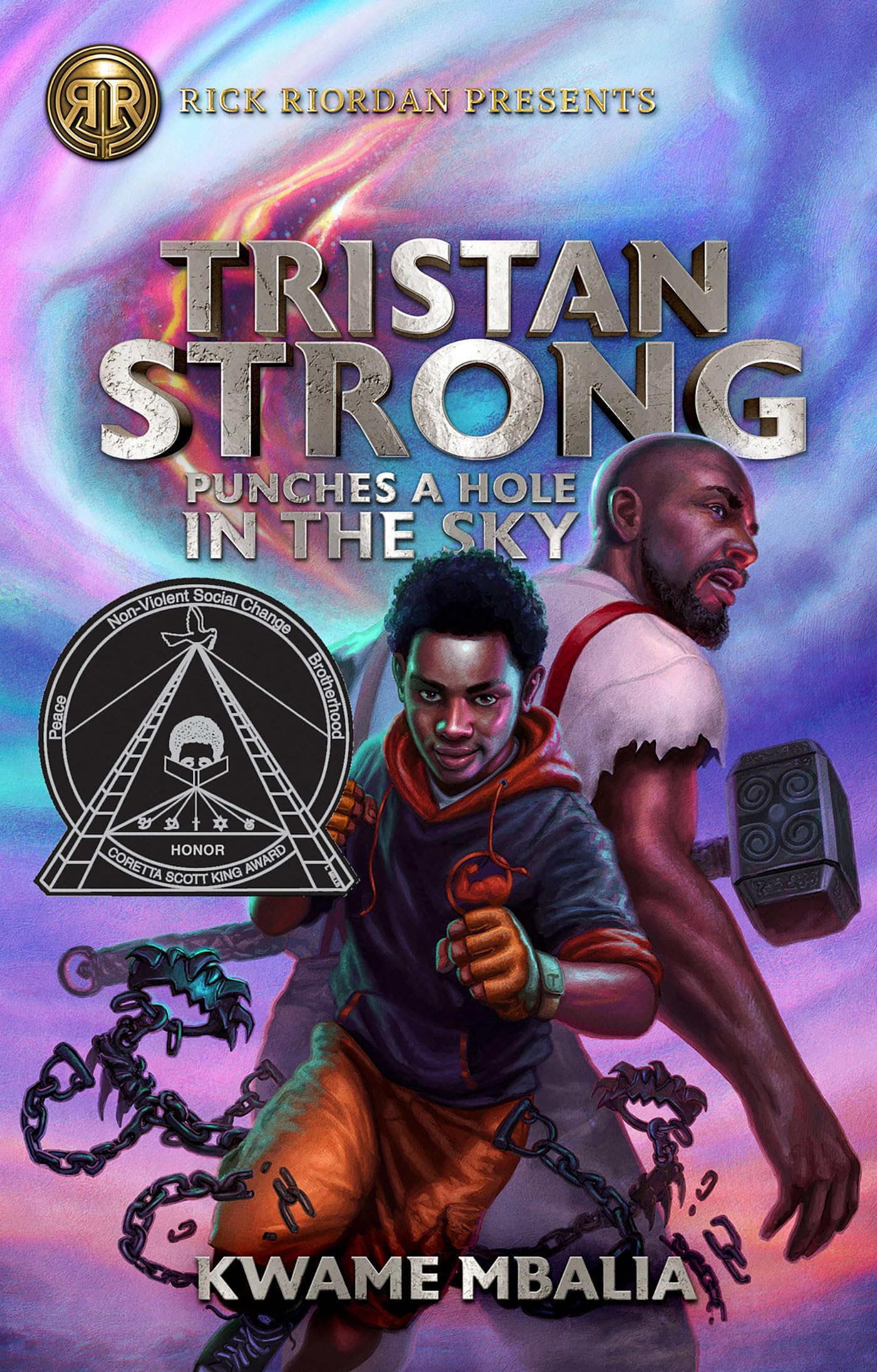
Tristan Strong Punches A Hole In The Sky, by Kwame Mbalia

I love a good middle grade adventure story. That’s precisely what this is. As you might expect from something published under Rick Riordan’s imprint, it’s full of mythology and folk tales and legends. Tristan Strong Punches a Hole in the Sky, by Kwame Mbalia, is all about one young boy’s discovery that the stories he’s grown up with (African-American stories with American folk heroes like John Henry, African trickster figures like Anansi, and those who blur the lines like Brer Rabbit) are all far more real than he ever could have believed. It’s fun, it’s pretty fast, it’s (heh) punchy. This is a good book.

I admit, my appreciation for this book is influenced by my desire for more high quality middle grade adventure stories aimed at boys. There’s a lot more to unpack there, some of which can be better understood by reading Of Boys And Men by Richard V Reeves. Read on for some of those details, as well as my few quibbles with Tristan Strong.

Continue reading

Vicarious Squirmy Awfulness

I used to think I loved adventure stories because I’d grown up on them. The truth, I’ve realized, is a bit stranger. I’d rather watch bloody violence and explosions than sit through those gut-wrenching nail-biting moments of social awkwardness that fill so many romances, dramas, and comedies. Those moments fill me with a vicarious squirmy awfulness—the characters may experience emotional or social anguish, but my response is visceral, often literally painful. 

When I last reflected on this in my review of Trying

Continue reading

Dandadan (2024)

Dandadan is a lot. Episode one made me nervous. It also caught my attention. I stuck with the show, and now episode seven has made me cry big, heartfelt tears.

This show is not what I expected. It frequently has an extremely middle school-ish feel, yet it has also sent me on an emotional rollercoaster. It’s goofy and weird, with an upbeat and sometimes jarring energy. While it is written about (and presumably for) young teens, it feels less siloed in its gender appeal than many other shows I’ve seen aimed at a similar age range.

This show is definitely not for everyone, but… I really like it. Let me tell you why.

Continue reading

Dead Boy Detectives (Netflix 2024)

I’m two episodes into Dead Boy Detectives and I’m having a blast. Something about this feels wonderfully light and playful, despite the show’s somber, grisly, and morbid elements.

What can I say?

Continue reading

How has Fallout been my chill-out?

It’s been a minute.

I’ve been packing, clearing out, and moving into a smaller space (plus storage). This is, as ever, revealing. It’s also a tremendously time-hungry pain in the ass.

I’ve had less time for consuming media as a result of all this, but I’ve sometimes watched an episode of Fallout as a way of relaxing in the evenings. And I do mean relaxing. But why is this show about awful stuff not awful?

Continue reading

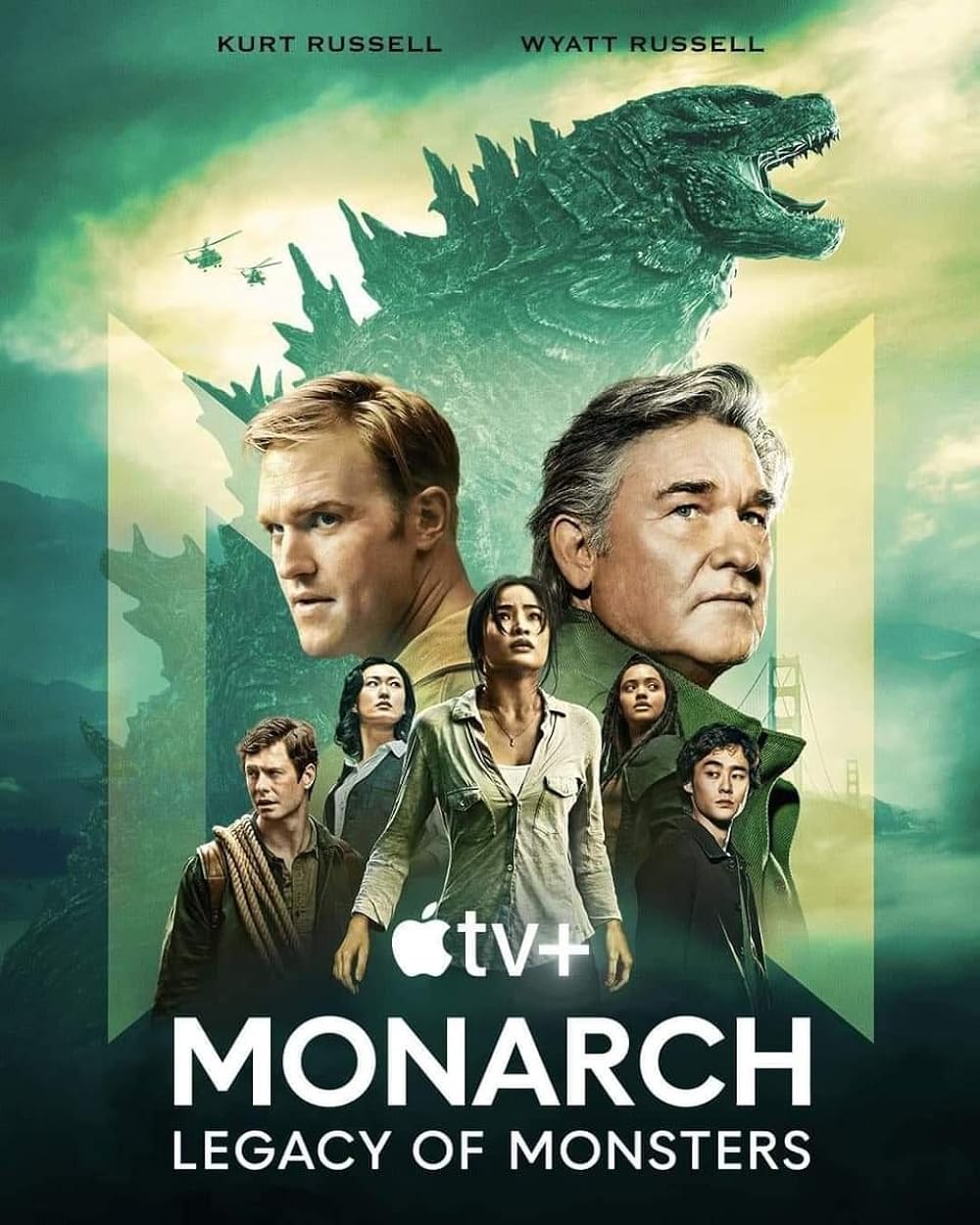
Monarch: Legacy of Monsters, after season 1

What’s my verdict after finishing season one of Monarch: Legacy of Monsters? No spoilers, I liked it. I even loved some of it. But I didn’t love all of it equally—for one, I didn’t care much about the big monsters most of the time.

My lack of interest in most of the monsters turned out just fine! That didn’t detract from the show, because Monarch is far more focused on people, and humanity, than on giant stompy monsters. And it was Monarch’s focus on people that I loved.

I think there are some interesting details in why I loved the parts I loved, and what didn’t work as well for me. Come check it out.

Continue reading

Delicious in Dungeon (Netflix 2024)

Cooking anime meets dungeoneering adventure in Delicious in Dungeon. Based on a manga from Ryoko Kui, this show is focused on…

Continue reading

Game system flavor & optional rules

This is pulled from a conversation I had recently about optional rules.

Rules combine to make systems, and systems create flavor by shaping the permissible and supported space of a game. Any skillful or willful group of players (the storyteller is a player too) can play outside the rules of the game system they’re using—that’s normal!—but that play isn’t supported by the system, and it isn’t part of the flavor the system creates.

Optional rules are opportunities…

Continue reading