Feline interlude, 5/29/25

Life has been very full of baby recently. I don’t have a full post for you.

I’ve been lucky enough to play a bit of Cities Without Number with a neighbor and some friends. My other games are basically on hiatus, but being able to start early, end early, and walk less than ten minutes to and from game is amazing. There’s also no way I could be doing this without sometimes bringing baby Gibby with me, or sometimes coordinating extra support for Ley. Asking Ley to take care of the baby without any support while I go play RPGs is no good. Having a two-month old is a lot of work.

Cities Without Number, like other Kevin Crawford titles, could really use some editing. It’s… acceptable. The text is definitely better organized and written than some other RPGs or boardgames I’ve seen. Some of Crawford’s verbosity adds evocative texture to both system and setting, and his approach certainly produces consistently fun results. But…

Continue reading

Love/Hate: Priming your game with NPCs & Groups

In our own world, there are people we love and people we hate. Our feelings about others might be distant or dispassionate, or they might be personal and urgent. Sharing a love for the people of a neighborhood, a country, a sports team, or a gang is a quick and easy way to bond with someone else—as is sharing a hatred.

As storytellers, we can use this.

Continue reading

Goofs vs Feels: The Emotional Tenor Of Your Game

You’ve all made your PCs. You’re all ready to dig into a big game. This time, you think, the game will be serious and deep, full of emotional complexity and resonance. And then someone makes a bunch of fart sounds, Boblin the Goblin is the only recurring non-player character and he’s obviously a joke, and your biggest emotional payoff is a PC’s binge-drinking celebration of their big gambling win.

You want a serious game full of big feels. You get a goofy game full of jokes and idiocy. The heartfelt depth and emotional bleed you came here for are nowhere in sight. Why? And how can you change that?

Continue reading

How to make deep NPCs

Are you tempted to make every NPC in your game a deep and complex character?

Don’t.

I love creating and playing NPCs in my games, and it comes easily to me. Part of this is because I’ve done improv theater—lots of improv theater. But mostly it’s because I use a few basic guidelines when I’m coming up with NPCs.

Since I apparently haven’t written anything about making or running NPCs since that article about naming them from over a decade ago, I figure this post is overdue.

Continue reading

Authorial Power in RPGs, quick thoughts

There are many ways to play TTRPGs. As long as you’re all having fun you’re doing it right.

It’s easy, however, to stumble over one’s assumptions. Mismatched assumptions about creative control, who’s taking narrative initiative, and what to expect in play are a quick way to sour your fun.

This is a tangent from the “social skills of storytelling” series, working from two inspirations:

Continue reading

Worldbuilding: Theft, Inspiration, & Homage

Culturally, we put a lot of emphasis and value on originality. An undue emphasis, as far as I can tell. I believe art (and yes, worldbuilding is art) is founded more on sharing and mixing and reinventing than it is on truly novel ideas. I think we should embrace that.

For context: this follows directly from last week’s post on worldbuilding. Last week I mentioned stealing inspiration and using pieces of other stories, but I focused on embracing inconsistency. I should have also referenced my old post about leaving blank spaces. This week we’ll focus on the stealing, sampling, and paying homage side of things.

Continue reading

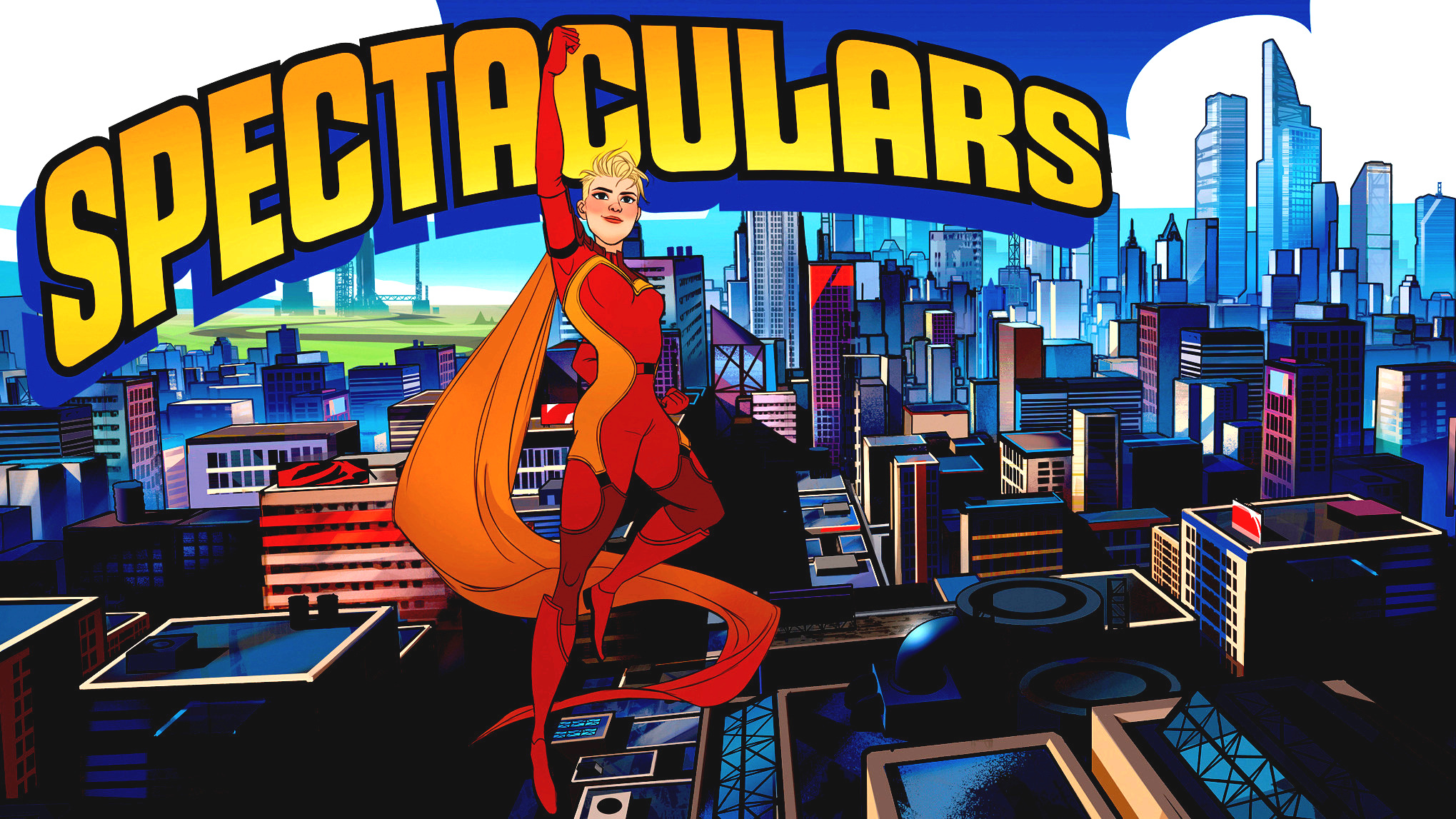
Spectaculars, lightweight superhero fun

Spectaculars is a superhero RPG with a simple roll-under percentile die system. There are no cumbersome lists of modifiers, and the math required at the table should be accessible to precocious eight or nine year-olds. The game is clearly a love-letter to superhero comics, right down to players’ ability to invent backstory and create connections at the drop of a hat by spending “Continuity Tokens” to make up past issues with a relevant story detail. The game could also easily mimic the feel of superhero cartoons like Batman: The Animated Series, or any other episodic story where inventing background is expected or would be useful. Whatever your inspirations are, Spectaculars shines brightest when you’re playing episodic adventures in the context of a larger narrative arc. This is especially true if you’re more excited about your game’s larger story than you are about the gritty details of how a specific power works, or quantifying whose ”Mega Power Blast” is bigger.

Continue reading

Immersion & Worldbuilding in Co-op Video Games

Void Crew, Deep Rock Galactic, and Helldivers 2: three co-op games, three “shooters” (kind of, more on that later), and three games that build on their own self-contained fiction. I’ve played all three. I’ve enjoyed all three. So why do I only admire two of them?

Continue reading

D&D 5e’s alignment trap

The 5e alignment system is a useful shorthand and a misleading trap. The Outer Planes as presented in the 2014 Player’s Handbook and Dungeon Master’s Guide only make the alignment system’s problems worse. The perfect overlap between alignments and planes—and the total lack of alternative Outer Planes—reinforces the alignment system’s worst inclinations: easy stereotyping, reductionist thinking, and a restriction of creative possibilities.

So what the heck are you supposed to do?

Continue reading

No more bland-aids: make your Clerics interesting

Hot take: clerics in D&D 5e feel like the blandest superheroes. Without a clear relationship with a greater power or a faith, it’s easy for them to float in the narrative void like a cornucopia of bandaids. The solution lies in placing more expectations on them, constraining them, and giving them a deeper connection with the story’s world and whatever they serve.

Continue reading