Room to grow: Lootbound (demo)

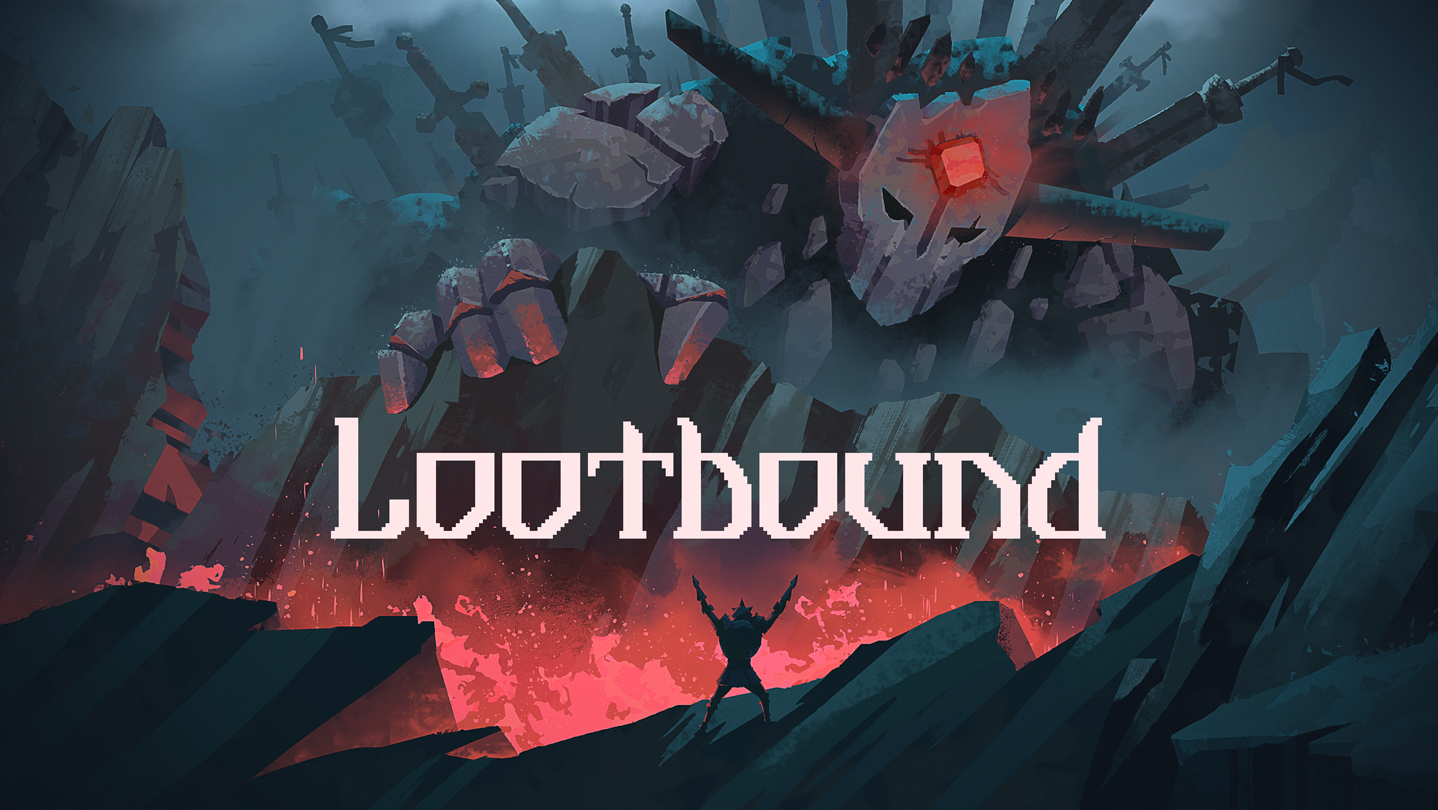
The Lootbound demo fascinates me. It scratched a series of my itches, handily eating an hour and a half of my Saturday evening and keeping me up past my bedtime. Days after playing it, I find my mind returning to gnaw at its design choices.

It is not, I think, the game for me. But it might be the game for you.

Continue reading

Teaching storytellers: recipes, ingredients, how to cook

How do you go from “Running a game of D&D sounds fun” to “I have some idea of what to do”?

You could do what I did: play enough RPGs at an early enough age that you don’t remember  feeling daunted by or awkward about the transition from playing to running games. I figured running games was just what you were supposed to do. I paid attention to how my siblings ran games, and I tried to replicate that.

That obviously won’t work for most people. They could try the adult version, playing lots of games run by other people until they have some idea of what to do themselves, but what if they don’t have a good play group? What if they want more tools?

What other entry points can we (the RPG community) offer? What resources and pitfalls should we and new storytellers be aware of?

When I think about resources and pitfalls here, I think of ingredients and recipes. Roleplaying game materials are strong on ingredients; RPG books often include lots of “what” and “who” and even “where” to use in your stories. But these materials are often weak on recipes, and they certainly don’t teach you how to cook; they don’t offer much “why” or even “how”.

Without understanding the “why” and “how,” what is a would-be storyteller to do? How can we help new storytellers learn the why’s and how’s of the art of storytelling?

Continue reading

Eat your candy! Finding the fun in your games

Eat your candy. ASAP.

I don’t mean your literal candy.

Heck, I don’t eat much candy. When I do eat candy, I eat it in small amounts. Even ice cream, which I love, I eat sparingly.

But when it comes to RPGs I think everyone should eat their (figurative) candy right away, even if that means sharing your character’s “secrets.”

Continue reading

Collaborative worldbuilding cont., deferred exercises 3/12/26

I’ve deferred my Love/Hate connection experiment for at least one more session. I could do this differently; I could use that experiment now to improve my players’ understanding of their own PCs, as well as bettering my understanding of their relationships with the rest of the setting. I deferred that experiment yesterday because I wanted to get a session of play under our belts, whet my players’ appetites, that sort of thing. That went well. I think it was a good choice.

Now I’m holding off because I suspect…

Continue reading

Does your game need more carrots?

The carrot is more effective than the stick. That’s especially true when running a game. In fact, failing to give your players enough carrots might cause them to lose interest and stop playing. But what makes a good carrot?

Continue reading

Love/Hate: Priming your game with NPCs & Groups

In our own world, there are people we love and people we hate. Our feelings about others might be distant or dispassionate, or they might be personal and urgent. Sharing a love for the people of a neighborhood, a country, a sports team, or a gang is a quick and easy way to bond with someone else—as is sharing a hatred.

As storytellers, we can use this.

Continue reading

How to make deep NPCs

Are you tempted to make every NPC in your game a deep and complex character?

Don’t.

I love creating and playing NPCs in my games, and it comes easily to me. Part of this is because I’ve done improv theater—lots of improv theater. But mostly it’s because I use a few basic guidelines when I’m coming up with NPCs.

Since I apparently haven’t written anything about making or running NPCs since that article about naming them from over a decade ago, I figure this post is overdue.

Continue reading

Building Consent (in RPGs)

Consent is vitally important to RPGs (especially horror RPGs), yet is often taken for granted. Often, consent’s building blocks—trust, plus shared social expectations, desires, and goals—are only analyzed after something has gone wrong and the illusion of agreement is broken. I don’t think anyone needs to constantly check for consent at every new moment in their games, but you can save yourself some anguish if you establish those building blocks before playing.

Why do I think consent is so important in RPGs?

Continue reading

The Social Skills of Storytelling

I write a lot on this blog about the social skills involved in being a storyteller, because I think many of our RPG books ignore the topic. What’s more, many RPG-related blogs and YouTube channels that I admire share advice about the mechanics and structure of RPG systems… but don’t cover the social dynamics. It seems like a collective blindspot. We assume that people will know what they’re doing, or that they’ll muddle along well enough.

Some of this has changed since I started running TTRPGs about 30 years ago. Many RPG books now include the basics of safety mechanics like lines and veils, the X-card, etc. But there isn’t much on how to find consensus or foster buy-in amongst your players. You have to learn the tricky art of building agreement and engagement in your own gaming group with few pointers and little advice.

On the one hand, I get it. I think the arguments run something like the following:

There’s so much variation in social expectations between gaming groups that no system could truly be one-size-fits-all. Those interpersonal connections are outside the scope of a roleplaying game. People should figure out what works for them, and do that.

But on the other hand, those arguments are an avoidant pile of crap.

Continue reading

Spectaculars, lightweight superhero fun

Spectaculars is a superhero RPG with a simple roll-under percentile die system. There are no cumbersome lists of modifiers, and the math required at the table should be accessible to precocious eight or nine year-olds. The game is clearly a love-letter to superhero comics, right down to players’ ability to invent backstory and create connections at the drop of a hat by spending “Continuity Tokens” to make up past issues with a relevant story detail. The game could also easily mimic the feel of superhero cartoons like Batman: The Animated Series, or any other episodic story where inventing background is expected or would be useful. Whatever your inspirations are, Spectaculars shines brightest when you’re playing episodic adventures in the context of a larger narrative arc. This is especially true if you’re more excited about your game’s larger story than you are about the gritty details of how a specific power works, or quantifying whose ”Mega Power Blast” is bigger.

Continue reading