I’ve watched more of Boots, finishing episode four and just barely starting episode five. The show’s message feels clearer now. My initial curiosity is congealing into grim resignation.
Boots isn’t bad. It’s well crafted. The character portrayals and overt construction of masculinity that piqued my curiosity still remain. I can still enjoy picking through and examining them. I can enjoy stripping them for parts.
The show isn’t bad/wrong, the storytelling isn’t bad/wrong, but I like Boots less now.
I have a piece in the works revisiting Boots, but I’ve been doing extra baby duty this week and I’m well past the point of being sick for a month. You’ll have to wait a little longer.
Instead, please accept this (relevant) link to a video essay by Schnee about recognizing when and how you’re being propagandized. This is kind of a spoiler but I’ll be referring to Schnee’s video in that larger piece on Boots.
I’ve seen the first episode of Boots, and I have mixed feelings.
I’m not sure how to engage with the show. It’s the sometimes funny, sometimes awful story of a young gay man named Cameron Cope who joins the Marines (in 1990, when homosexuality in the armed forces was still criminalized) without really knowing what he was getting himself into. Boots is based on the book The Pink Marine by Greg Cope White (no relation to the best of my knowledge), which is apparently a memoir of White’s own time in the Marines.
I’m unsure about Boots because I’m not sure what Boots is trying to say, or what conclusion it’s reaching towards. Does it have a negative message about being in boot camp as a young gay man in 1990? Does it have a positive message about that?
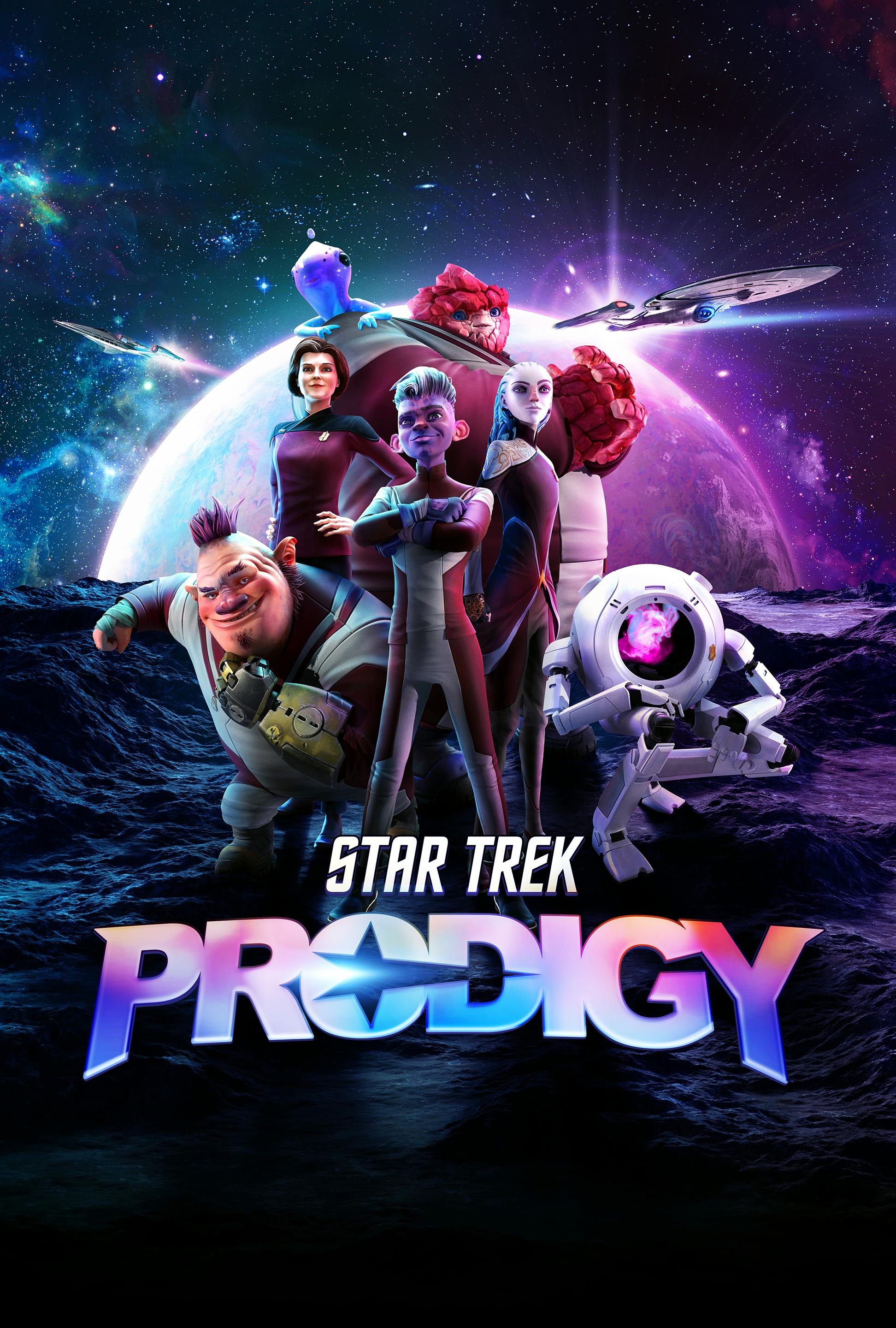
As someone who grew up on Star Trek: The Next Generation,Star Trek: Prodigy didn’t quite feel like a Star Trek show until episode six. That might be a good thing. As much as I love TNG’s broad focus on an ensemble cast with highly episodic story telling, Prodigy’s early adventure-focused plots with clear continuity from one episode to another gives us a narrative throughline that TNG sometimes lacks.
That narrative throughline and dramatic adventure feels a little like Star Trek: Discovery. Discovery felt a little off to me in its first couple seasons, due to its fixation on a single overarching narrative and its exploration of Michael Burnham’s character to the detriment of the broader ensemble cast. It wore the trappings of Star Trek, but felt more like a Star Trek movie turned into a miniseries instead of a Trek TV show. Unlike Discovery, Prodigy bridges the gap from overarching-narrative to interspersed episodic and big-narrative episodes and makes a smooth landing in that Star Trek sweet spot with episodes six and seven. It starts without the Star Trek trappings, but ultimately feels more Trek to me than the first season of Discovery ever did.
Admittedly, I haven’t yet watched much further (I think I’m on episode twelve of season one). I’m not sure that matters. Even with continued exploration of the slightly-more-main characters, the show would have to veer sharply into main-character-ism to lose what it has already established. I think the tonal shift happened at the right time too. The dramatic narrative of the show’s opening episodes feels right for a space adventure, and the transformation into a Star Trek show happens as the crew finally gels and discovers that—despite their disparate backgrounds and disagreements—they share a moral core that is increasingly influenced by the ideals of Starfleet and the Federation.
That transformation feels deeply satisfying. The crew’s growing recognition of their shared moral core feels deeply satisfying too. There’s something funny about that to me; when I started watching Prodigy I wasn’t sure I’d be able to love the show. The first couple episodes felt so strongly like a kids’ show—without the idealistic themes I love and identify with Star Trek—that I feared I’d be stuck enjoying it on only one level as decent children’s fiction. The show’s growth as it moved beyond the opening episodes proved those fears wrong.
If you appreciate good children’s literature (yes, I’m using that to describe a TV show), or if you love Star Trek, then you should do yourself a favor and watch this show. My friends who recommended it to me were totally right. Prodigy takes a couple episodes to really get into gear, but it’s a delight.
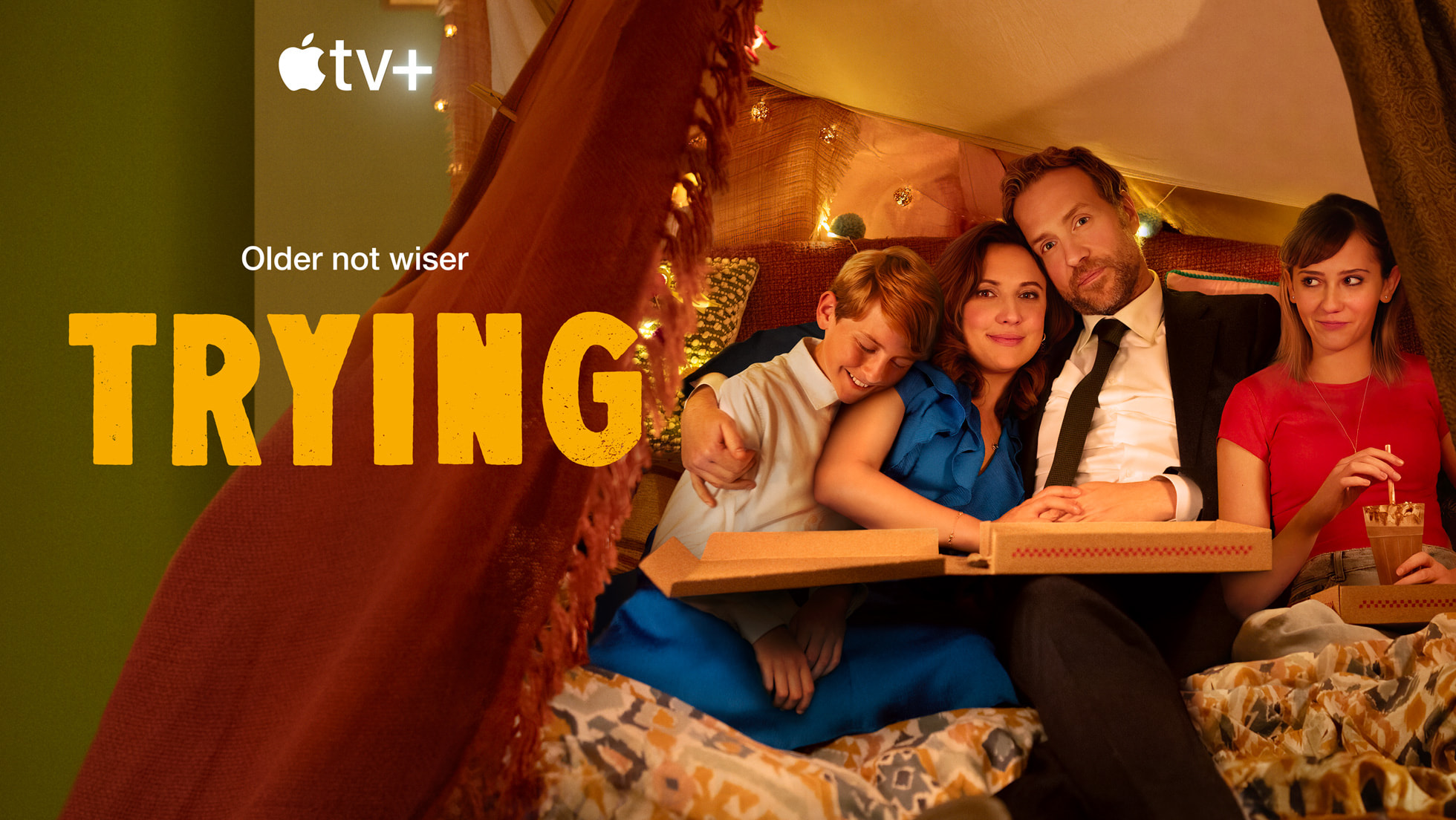
There’s a particular flavor of social awkwardness or social strife in shows and movies that hits me hard in a weird squirmy spot a little below my diaphragm. It spreads from there, worming around inside me, usually moving upwards. It’s a profoundly distressing and uncomfortable experience, and it happens most often in certain kinds of dramas, social comedies, or romances.
This experience has been with me since I was a child. I can still remember wriggling in my seat on the couch while watching movies, turning myself upside down and standing on my head as I tried to untwist or escape the awful tension inside me. I haven’t yet learned precisely what kinds of awkwardness and strife cause this, perhaps because I try to avoid the experience as much as possible, but it crops up time and again.
That’s too bad, really. I thought the first episode was consistently funny, even as it teetered between sweet and almost-painful in that squirmy way. If the second episode hadn’t hit me so hard, I think I would have continued really enjoying the show. Let me explain:
I’m two episodes into Dead Boy Detectives and I’m having a blast. Something about this feels wonderfully light and playful, despite the show’s somber, grisly, and morbid elements.
This show suffers greatly from my expectations. If I’d never seen the animated show, I’d be more excited about this live action version. I also just rewatched some of the animated A:TLA because I feared that my memories of it might have been too fond, and…
Right around the release of Masters of the Air, I saw a number of moderately critical reviews of the show. None of them were harsh pans, but there was a thread of dissatisfaction that wound through their titles. I didn’t want spoilers, so I limited myself to browsing and skimming. I concluded that these reviews were mostly fluff pieces composed of many words saying little, building a 500+ word post from two rumors, an impression, and a handful of vibes—what I think of as publishing-padding, intended to fill post slots on a website.
For the most part, these reviews changed in tone as the show ran its course.
What I gleaned from these negative reviews was that the reviewers, or whomever they were sourcing their impressions from, had mismatched expectations. They were frustrated, I guess. They were watching Masters of the Air and expecting Band of Brothers.
The first episode of Netflix’s The Gentlemen reminds me of Michael Bay’s Pain & Gain without the leavening of self-awareness. Pain & Gain leaves us, the audience, with enough room to see the idiocy and toxic obsession involved. From the movie’s first moments we are offered a perspective that might empathize with the main characters, but doesn’t ask us to sympathize with or believe them. In that way, Pain & Gain feels like a critique of the stupidity and myopic ambition of its characters.
The Gentlemen might critique its characters’ beliefs… maybe. But The Gentlemen doesn’t offer the distance and outside perspective that Pain & Gain does. Even when it showcases the absurd, the first episode of The Gentlemen takes the main characters seriously and takes their perspectives. It believes its own hype. Instead of offering a self-aware critique of people’s unwillingness to admit that they’re stuck swimming laps in a shallow pool, this first episode puts us inside the fishbowl, trying to find a better fishman.
It’s flashy and stylish and dramatic. It also feels a bit stupid.




 Fistful of Wits