Worldbuilding: Theft, Inspiration, & Homage

Culturally, we put a lot of emphasis and value on originality. An undue emphasis, as far as I can tell. I believe art (and yes, worldbuilding is art) is founded more on sharing and mixing and reinventing than it is on truly novel ideas. I think we should embrace that.

For context: this follows directly from last week’s post on worldbuilding. Last week I mentioned stealing inspiration and using pieces of other stories, but I focused on embracing inconsistency. I should have also referenced my old post about leaving blank spaces. This week we’ll focus on the stealing, sampling, and paying homage side of things.

Continue reading

World Building: Starting Skills

I was talking with a friend of mine recently about worldbuilding and how to teach the skill, and I realized that I’m not sure where to start.

I think my perspective is warped. I’ve been making up worlds for stories and games for so long, the whole process has become second nature. I haven’t consciously examined the process of worldbuilding in a long time.

Given that I’m planning to run a class for people who want to be DMs (or GMs, or storytellers, or whatever the hell you want to call the person running your roleplaying game), I think I need a clearer approach. I do have some ideas.

Continue reading

Megamind (2010)

I’ve now seen this movie a second time. I liked it the first time I saw it, and had fond memories of the movie. I don’t remember where I was the first time I watched it, though I don’t think I saw it in theaters. Regardless, it was years ago.

I just watched it again this last week with my niblings. I’m unsettled.

Megamind is a good, fun movie. Mostly. It’s so painfully close to just being a good fun movie, and it still can be if I only empathize with the main character Megamind. That’s probably what I did the first time I watched this.

This time around, I saw things from Roxanne Ritchi’s perspective. In so doing, I realized that Megamind is a horror movie. Now I can’t un-see it.

Is that a bad thing? Well…

Continue reading

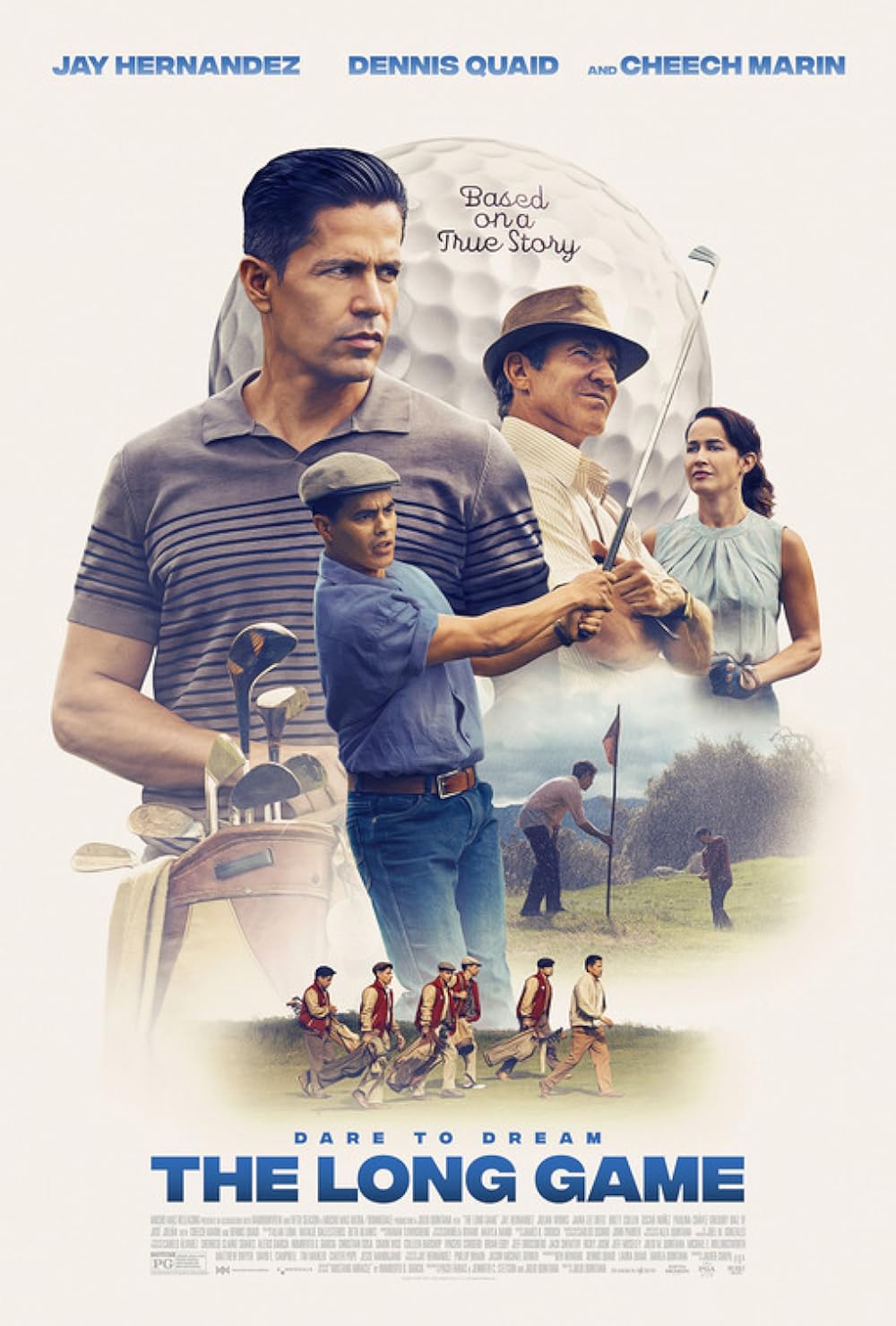
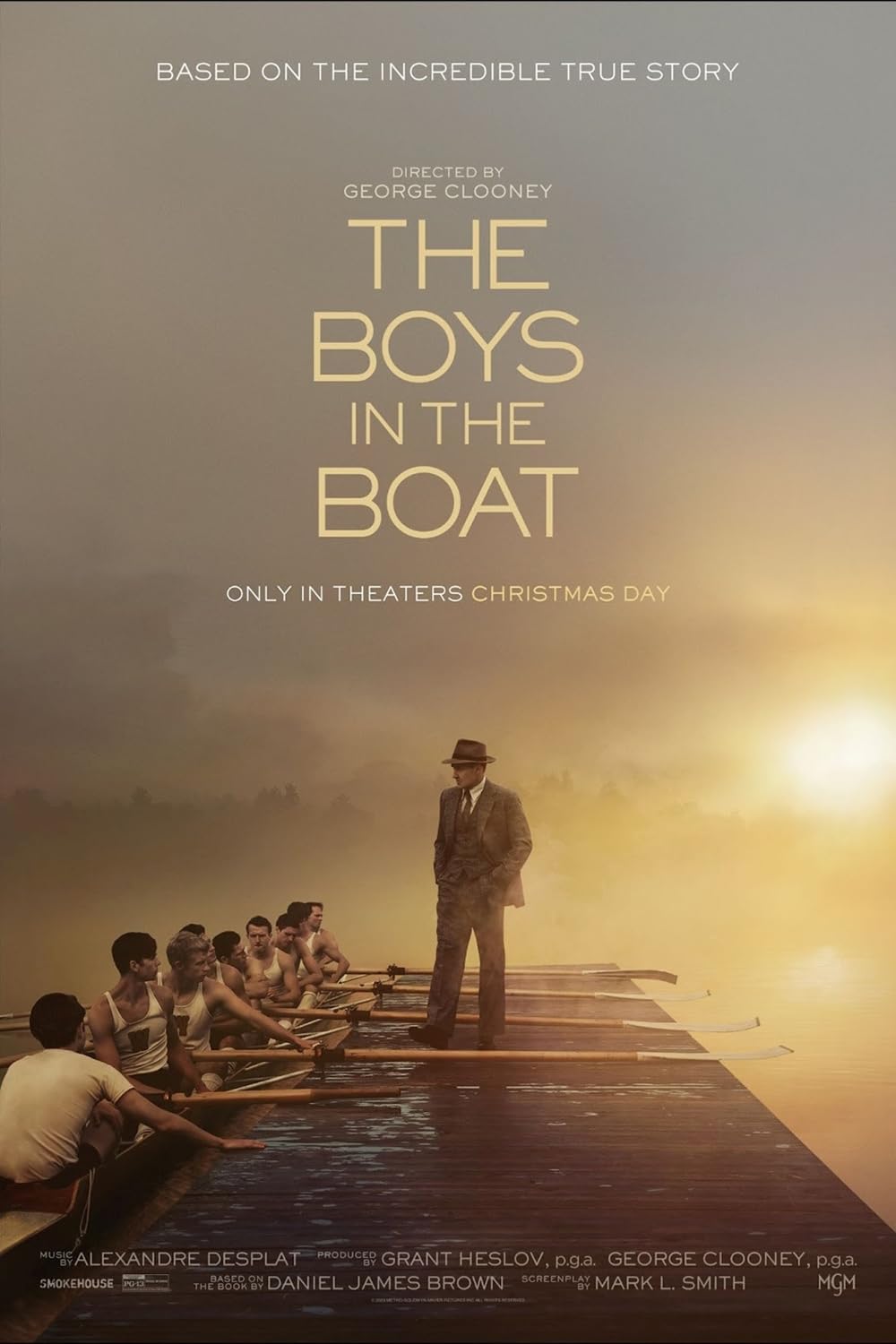
Underdog Sports Movie Showdown, The Boys in the Boat vs The Long Game

I flew this week. On my flight, I watched The Boys in the Boat and The Long Game.

Each movie is a triumphalist underdog sports movie. Each movie is dedicated to a sport that I know little about. I think I’m marginally more fond of or impressed by crew (specifically, eight-person rowing teams) than golf. I like the drama of team sports, and appreciate the skill required to work that smoothly together, even if I have little interest in crew in general. I admire the skill and tenacity of golfers, certainly, but if I had to pick between a movie about golf and a movie about crew, well…

I’d pick the boat.

I’ve heard that you’re supposed to be more prone to enjoying movies that you watch on an airplane. Perhaps that’s because they pull you out of the noisy, cramped tin can soaring through the air at uncomfortable speeds and deposit you (for a limited time) in some other world of dramatic and emotional experience. Regardless of whether what I’ve heard is true, it can’t rescue a movie from simply being worse than its competition.

And “worse than the competition” is a galling and ironic position for a triumphant underdog sports movie to be in, don’t you think?

Continue reading

Dead Boy Detectives (Netflix 2024)

I’m two episodes into Dead Boy Detectives and I’m having a blast. Something about this feels wonderfully light and playful, despite the show’s somber, grisly, and morbid elements.

What can I say?

Continue reading

How has Fallout been my chill-out?

It’s been a minute.

I’ve been packing, clearing out, and moving into a smaller space (plus storage). This is, as ever, revealing. It’s also a tremendously time-hungry pain in the ass.

I’ve had less time for consuming media as a result of all this, but I’ve sometimes watched an episode of Fallout as a way of relaxing in the evenings. And I do mean relaxing. But why is this show about awful stuff not awful?

Continue reading

Cascade Failure (on GeeklyInc)

I promised to link my review of L.M. Sagas’ Cascade Failure when it posted on GeeklyInc, but that entirely slipped my mind. The review is up! It’s been up for almost a month. My apologies.

In case you are deathly allergic to clicking external links, here’s the tl;dr…

Continue reading

Monarch: Legacy of Monsters, after season 1

What’s my verdict after finishing season one of Monarch: Legacy of Monsters? No spoilers, I liked it. I even loved some of it. But I didn’t love all of it equally—for one, I didn’t care much about the big monsters most of the time.

My lack of interest in most of the monsters turned out just fine! That didn’t detract from the show, because Monarch is far more focused on people, and humanity, than on giant stompy monsters. And it was Monarch’s focus on people that I loved.

I think there are some interesting details in why I loved the parts I loved, and what didn’t work as well for me. Come check it out.

Continue reading

Internal critics & crediting all the work

I struggle to give credit to all the important work that is part of writing.

I think that work can be roughly sorted into three categories:

Continue reading

David Drake, 1945-2023

Rest in peace, David Drake. May your memory be a blessing.

I did not know David Drake, but I knew his work. I reviewed a number of his books here. Recently, when a friend was looking for a very particular flavor of genre fiction, I recommended Drake. I said, “He may not write the most poetic or literary story, and you might be able to spot tropes from a long ways off, but damn does he know how to drive plot.”

From what little I know about Drake’s writing habits and his collaborations, I admire him. He apparently knew the arc of each story well enough to write detailed plot outlines (there’s a free example here), and would then hand those off to his collaborator and take second billing. He thus helped other writers get published and break into the market. Eric Flint, if my memory of various author’s notes serves, found those outlines to be extremely helpful with their shared Belisarius series.

David Drake also clearly wrote to release some of the awfulness he’d experienced while serving in Vietnam, especially in his Hammer’s Slammers series. He was of the generation of genre authors, especially military fiction authors, whose lives had been turned sideways by the war. His post here from 2009 states his feelings about the war pretty eloquently.

Relatedly, I appreciate Drake’s military fiction; its sense of grim loneliness and futility, blended with camaraderie and the occasional glimpse of something more admirable, feels like a fitting portrait of war. It fits with what I’ve heard from my veteran friends who’ve been in combat. Unlike other mil-fic I’ve read, Drake’s stories don’t pretend that there’s some inner nobility or heroism inherently brought out by war. Nor does he pretend that wars accomplish much good.

I never dug deeper into David Drake’s political leanings. Given my frustration with other mil-fic authors, perhaps I wanted to protect myself from unwanted knowledge. It’s easier for me to read Drake’s work and appreciate it when I don’t feel immediately repelled by him. We’ll see whether I risk learning more. It won’t happen today.

If you want to read Drake’s books, you can find some of them here in the Baen Free Library. I can’t recommend the Larry Correia or John Ringo titles that appear nearby without wreathing my recommendation in enough caveats to float a lead brick. Stick with David Drake instead.