Collaborative worldbuilding for a new game, 2/26/26

I started a new game this week.

Our prior GM is a freshly minted parent. He’s currently in the land of absolute sleep deprivation. Having been there not too long ago myself, I’ve offered to take over with a new game (at least for some of the time).

I’m taking the opportunity to experiment with new ways to build connections between PCs and the setting. I’ve written about at least one of those ideas before. I’m taking things a step further by starting the group even earlier in the world creation process.

We began with a collaborative setting creation session. We’ll be playing Worlds Without Number from Kevin Crawford, and I want to use WWN’s general setting concept… but I want the players to have a hand in how our particular slice of the world feels. I want them to influence what direction our Latter Earth takes.

Alongside that…

Continue reading

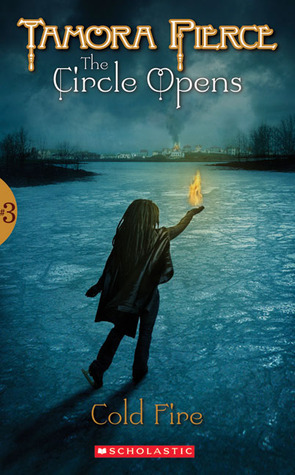
2/3rds through Cold Fire, by Tamora Pierce

I’ve gotten stuck.

I loved Tamora Pierce’s Circle of Magic series, her first quartet about Sandry, Briar, Daja, and Tris. I was eager to read the next quartet. For the most part, I still am.

I breezed through the first two books in this quartet. Sandry’s book (Magic Steps) and Briar’s book (Street Magic) both went by so quickly that I nearly inhaled them. Daja’s book, Cold Fire, has really slowed me down.

I try to find times in the day when I can sneak in a little bit of reading. Often enough this ends up being at night while I’m lying in bed. I’ll read a chapter, then set the book down. Except with Cold Fire reading a chapter leaves me feeling sick to my stomach. Stopping there doesn’t help.

I’ve discovered the hard way that I find it difficult to read a story about arson, especially when lives are lost.

Continue reading

Frieren: Beyond Journey’s End (Netflix 2025)

I’ve finished Netflix’s season 1 (28 episodes) of Frieren: Beyond Journey’s End. I finished it a while ago, actually, but for baby-related reasons I haven’t had the brains to finish this post. Better late than never, right?

Melancholy, meditative, meandering… Frieren: Beyond Journey’s End has won a spot in my heart. It is a fantasy adventure that cares more about the everyday personhood of its heroes than about epic plots or dramatic achievements. It made me cry, and laugh, and I love how it manages to be bittersweet and yet feel like one of the most forward-looking and optimistic shows I’ve watched in a while. 

Continue reading

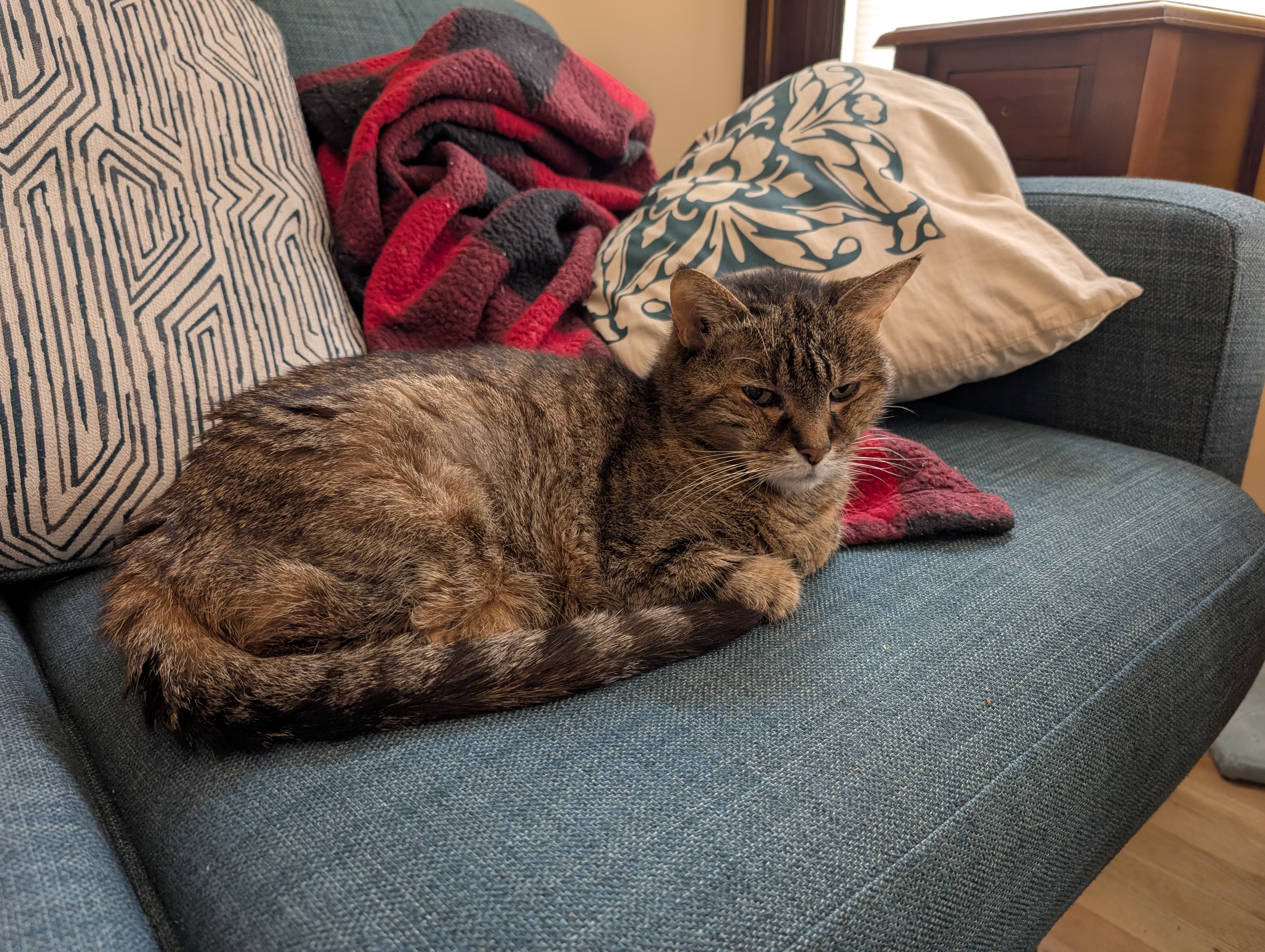
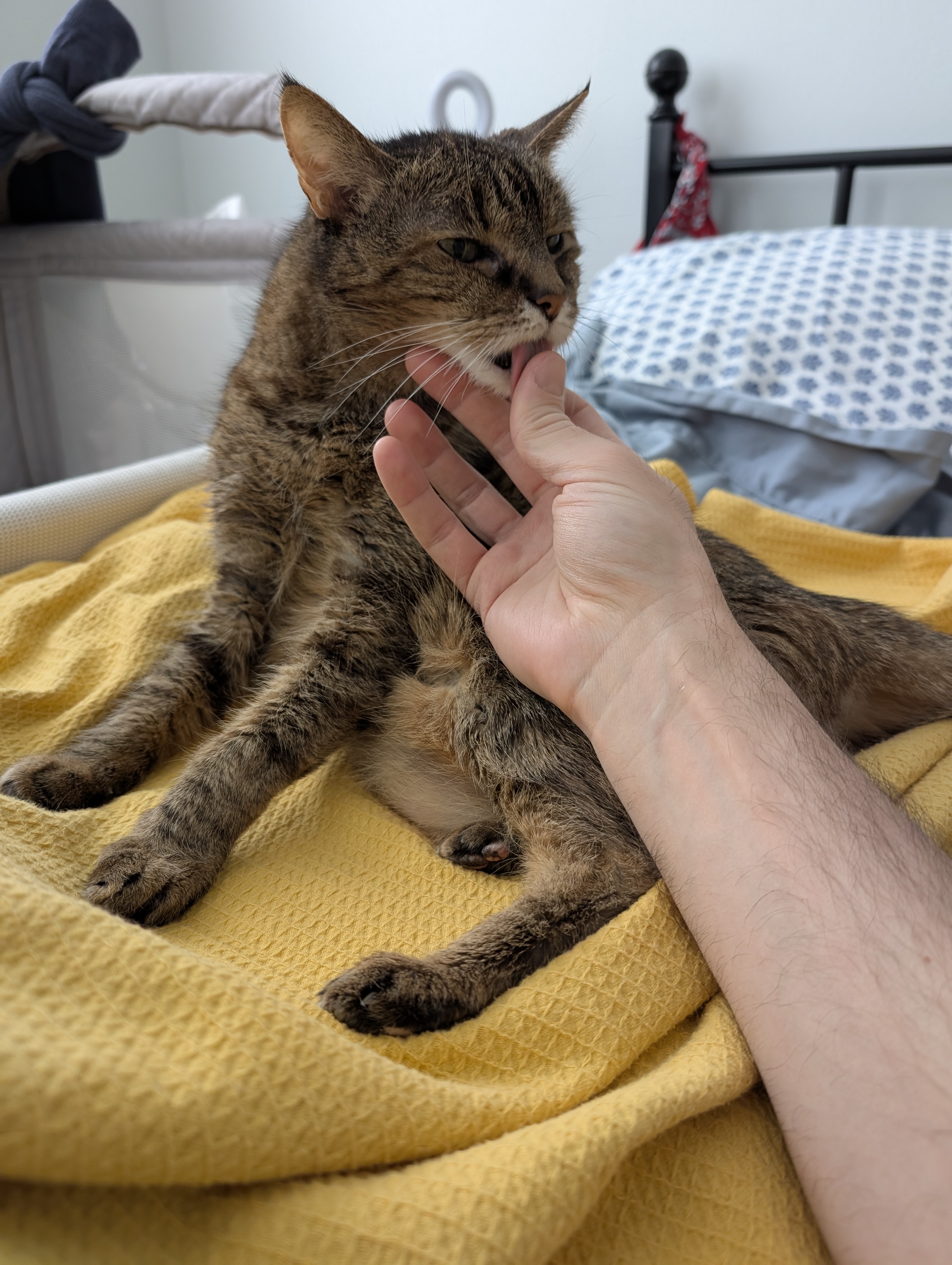
Alex the cat, 07/03/25

Three months of baby-time! A second week of we-just-moved time. The unpacking and sorting of everything continues, along with all the other housework involved in caring for a baby and a new home.

This week’s meditation: how can I better give myself permission to write what I find fun, and what I’m curious and excited about? Also, how can I return to meditating a bit every day? And how can I make time for writing?

I’m pushing through the second Ranger’s Apprentice book, The Burning Bridge. It reinforces my impressions from More Alex, 06/05/2025 so far—I’m glad this exists, and we need something newer. Either this one is less enticing for me than the first one, or I’ve been more distracted. The second is definitely true, the first one might be. With a little luck, I might have more to share about this next week.

More Alex, 06/05/2025

Alex is a good kitty. She sleeps so that I don’t have to. That’s how that works, right?

I read The Ruins of Gorlan by John Flanagan, the first book in the first Ranger’s Apprentice series. I have a bunch of thoughts. Those won’t make it up here today, because despite Alex doing a good job of sleeping for me she has not made me feel more awake or alert. Nor has she taken care of the baby.

I’m glad that these books exist. And I think we’re sorely in need of newer work.

Squire and Lady Knight, by Tamora Pierce

I finished Lady Knight one day after finishing Squire. I absolutely inhaled that last book in the series. Tamora Pierce did well, as I’ve come to expect. The story of Lady Knight felt more satisfying in so many ways, but I don’t think it would have felt that good without Squire there to lay the foundation for it.

If you’re recommending these books to kids, it’s worth noting that Lady Knight bridges a big (and fascinating) gap in genre, content, and target audience age. I’m not saying that you shouldn’t give these books to kids—I think you should! But you may want to read them yourself, and be ready for the way in which the story’s tone shifts near the end of Squire and throughout Lady Knight.

Continue reading

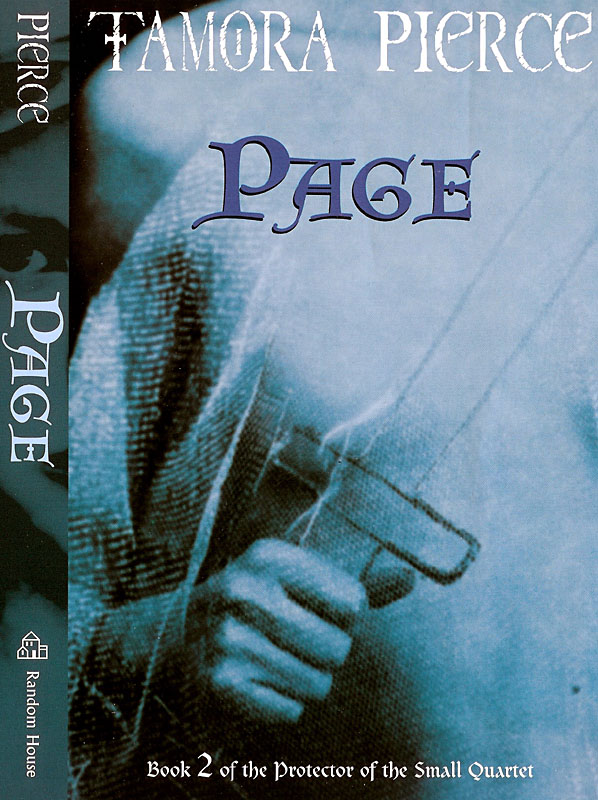
Page, by Tamora Pierce

I’m clobbered again today, but I’m alert enough to tell you that this Tamora Pierce series continues to be good. Page is great. I devoured it despite my sleep deprived state.

Continue reading

First Test, by Tamora Pierce

First Test, by Tamora Pierce, was published in 1999. It’s an excellent middle grade fantasy story grounded in one girl’s struggle against gender discrimination, hazing, and abuse while she pursues her dream of knighthood. First Test takes place in Tortall, the same story world as Tamora Pierce’s series about Alanna the Lioness. Where Alanna sought and (spoilers for that series) achieved knighthood while hiding that she was a girl, our protagonist Keladry seeks to follow openly in Alanna’s footsteps. But while that path is now officially open to a girl, reality hasn’t yet caught up. If you want a middle grade story about a young girl facing adversity and misogyny in a hostile school environment, this is a solid option.

First Test is, first and foremost, a story about a young girl and her struggles. Young Henry probably would have loved it… but he probably wouldn’t have read it (I mean, I didn’t read it, but I also wouldn’t have). Even if it had caught my interest, being mocked by my peers for reading ”a girl’s book” was a real and pressing concern. That was a big part of why I missed the Alanna books when I was young.

Oddly, that social pressure also feels connected to First Test’s message.

Continue reading

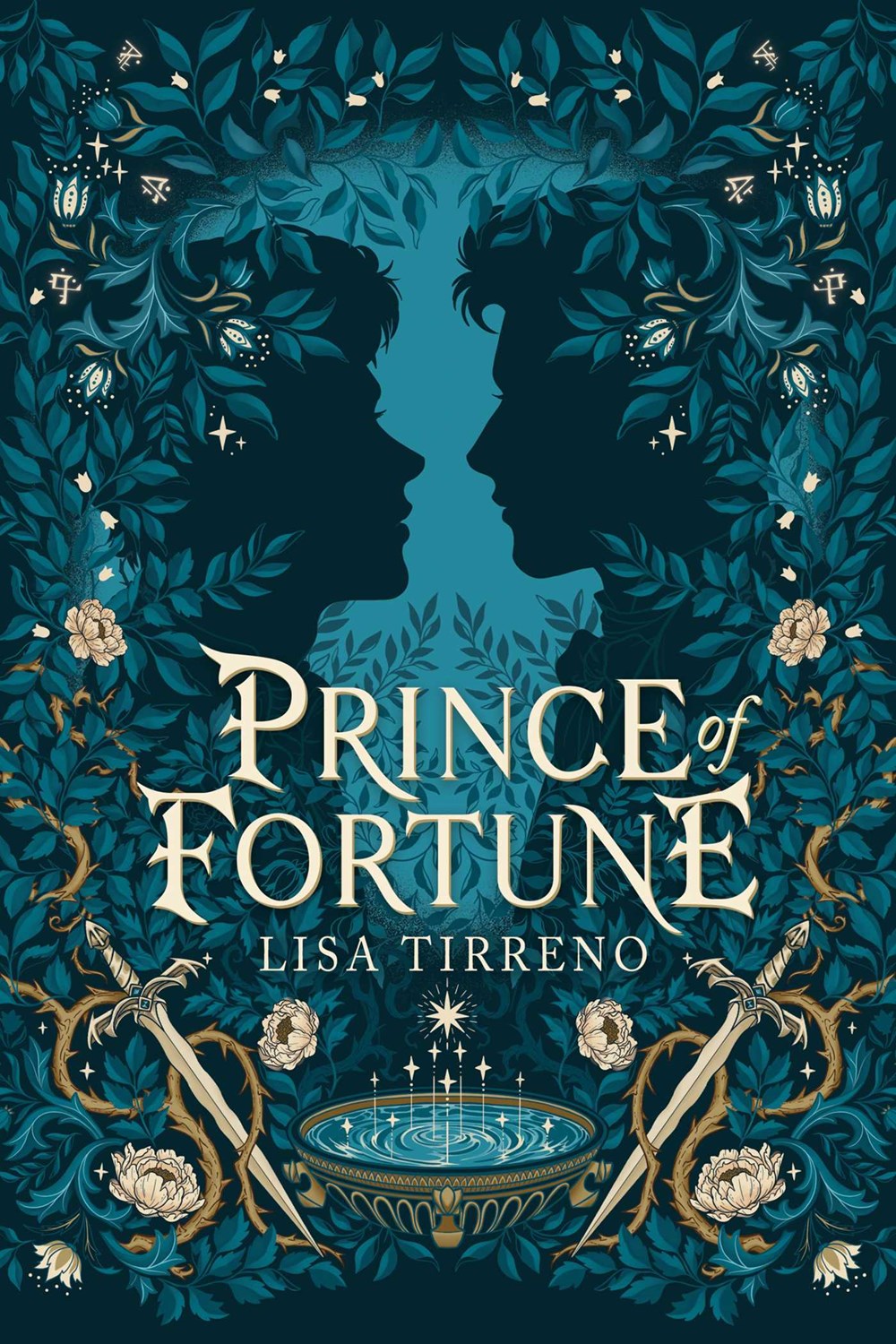
Prince of Fortune, by Lisa Tirreno

Lisa Tirreno’s Prince of Fortune is a romance in a fantasy setting with strong Regency era vibes, gender equality, and open queerness. It’s sweet, cute, heartwarming, and feel-good despite a hefty dose of political intrigue and a small helping of combat and war. Even better, it doesn’t try to make itself a series; you can pick this book up, enjoy the story’s gay romance and warm fuzzies, and know that everything has come to a close when you put the book down at the end. I found that soothing.

Would I want more?

Yes. And (kind of) no.

Continue reading

A Practical Guide to Evil, most of the way through

A Practical Guide to Evil is a YA-ish fantasy web serial set in a world with capitalized Good and Evil. The gods (which definitely exist) created this world to settle a wager about whether Good or Evil would triumph, but it is up to the world’s occupants to determine which way the contest will go. Of course, not every person is equal in this contest.

By a combination of exertion, will, strife, and trauma people can take on the mantle of a Name (an archetypal role) on either side of the conflict. Those Names are bound to tropes (varying by the person’s side in the conflict) which can entrap or empower. Some Names (Black Knight) are clearly on one side of the conflict (Evil), but others (Apprentice) can arise on either side. No two people can hold the full power of one name at a time; where there are multiple pretenders to a Name, those pretenders must settle whose vision of the Name and its purpose will win (Evil tends to do this with violence, Good rarely has multiple contenders).

I love all of that. This wholehearted embrace of archetypal story as a narrative toy and tool for a larger fantasy series is great. It’s what convinced me to read it in the first place.

Better yet, people in the series are aware of these Names and tropes. They embrace the study of Name-lore, learning the ways in which a Name may be caught by trope and pattern and story. They try to use that knowledge to their advantage. That’s a delight.

But it’s not all a bed of roses.

Continue reading