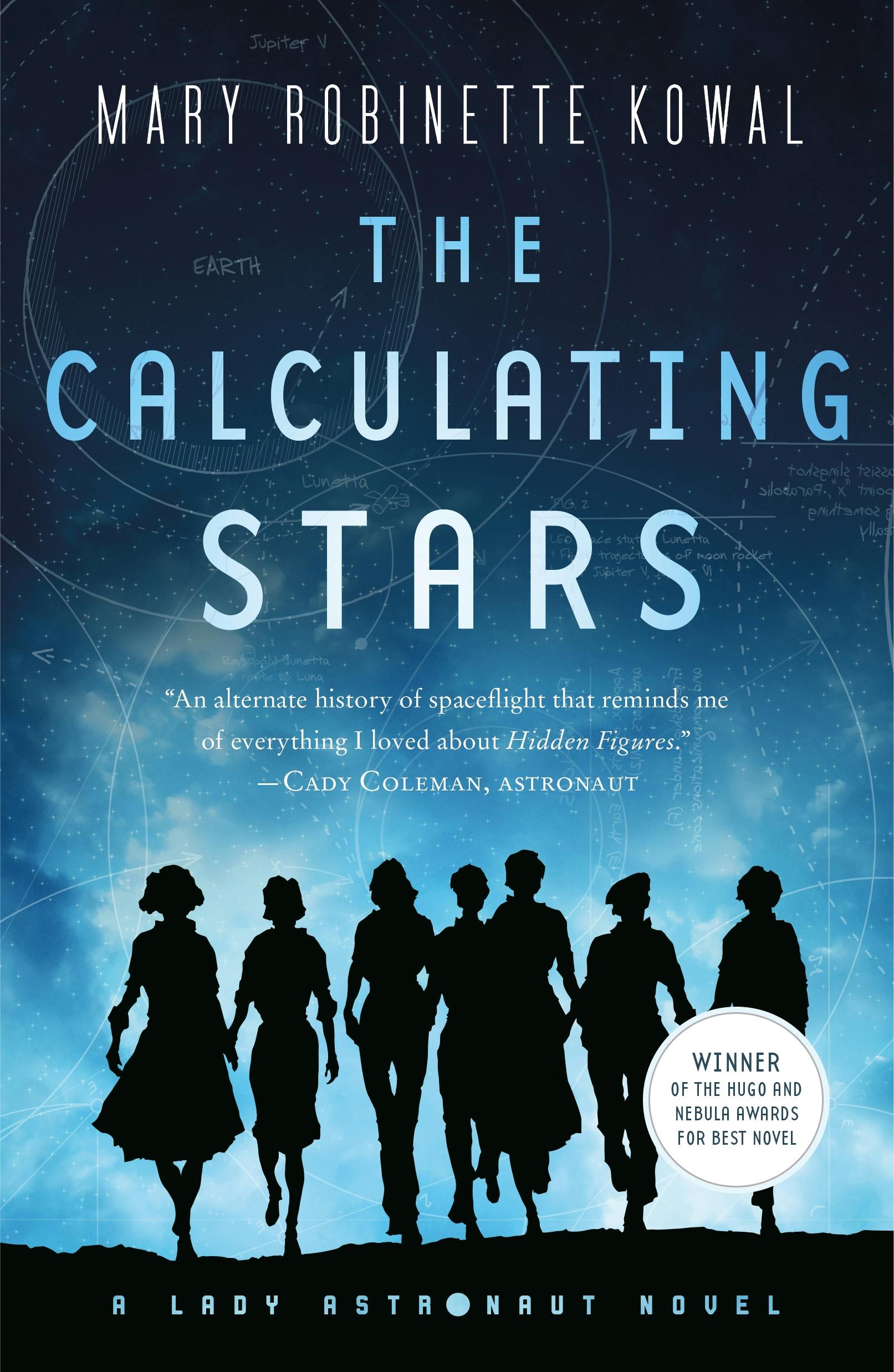
“To put this into perspective… The Sirius has 5,600,000 parts and close to a million systems, subsystems, and assemblies. Even if everything was 99.9 percent reliable, that would still be 5,600 defects. It wasn’t a question of if something would go wrong on the way to the moon, it was a question of when and what.”
This book has been on my to-read list for years. I somehow never picked it up. That paragraph above is the perfect encapsulation of why I love this book so much. I will try to explain. But honestly I was hooked upon reading the first page.
I found a used copy at Boskone. I knew that the title and author were familiar, that I’d been meaning to read the book, but then I thumbed the thing open and… here, try this for your first two paragraphs:
We’ve had another week of sickness here in my home. This meant that I missed Arisia, much to my dismay. My apologies if you had hoped to see me there. I hope you enjoyed it without me.
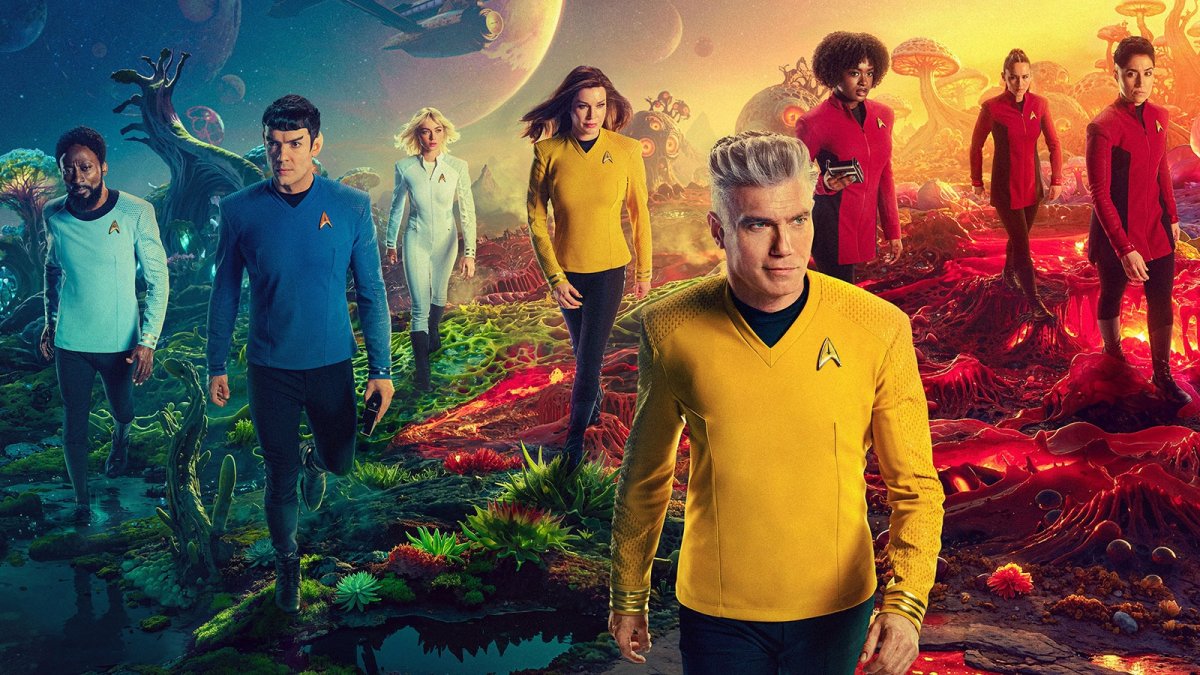
Perhaps this is a good time to reflect on the newest Star Trek show (Starfleet Academy) and the last one I watched (Strange New Worlds season 3).
I recall seeing some negative reviews of Strange New Worlds’ third season, reviews complaining about tonal whiplash. I think those reviewers didn’t understand the premise of episodic television.
I admit, the first two episodes of season three were VERY different from each other in tone. The first episode was the conclusion to a two-part episode cliffhanger that has had me on tenterhooks for over a year. The second episode was more like SNW getting back into the swing of things.
I was even glad that I watched the episodes a week apart instead of back to back (as they were released). But I’m not going to insist that a show I love for being episodic only release tonally similar episodes when they air two on the same day. Instead, I am glad to be gifted with more Star Trek to enjoy. I could use more hopeful sci-fi these days.
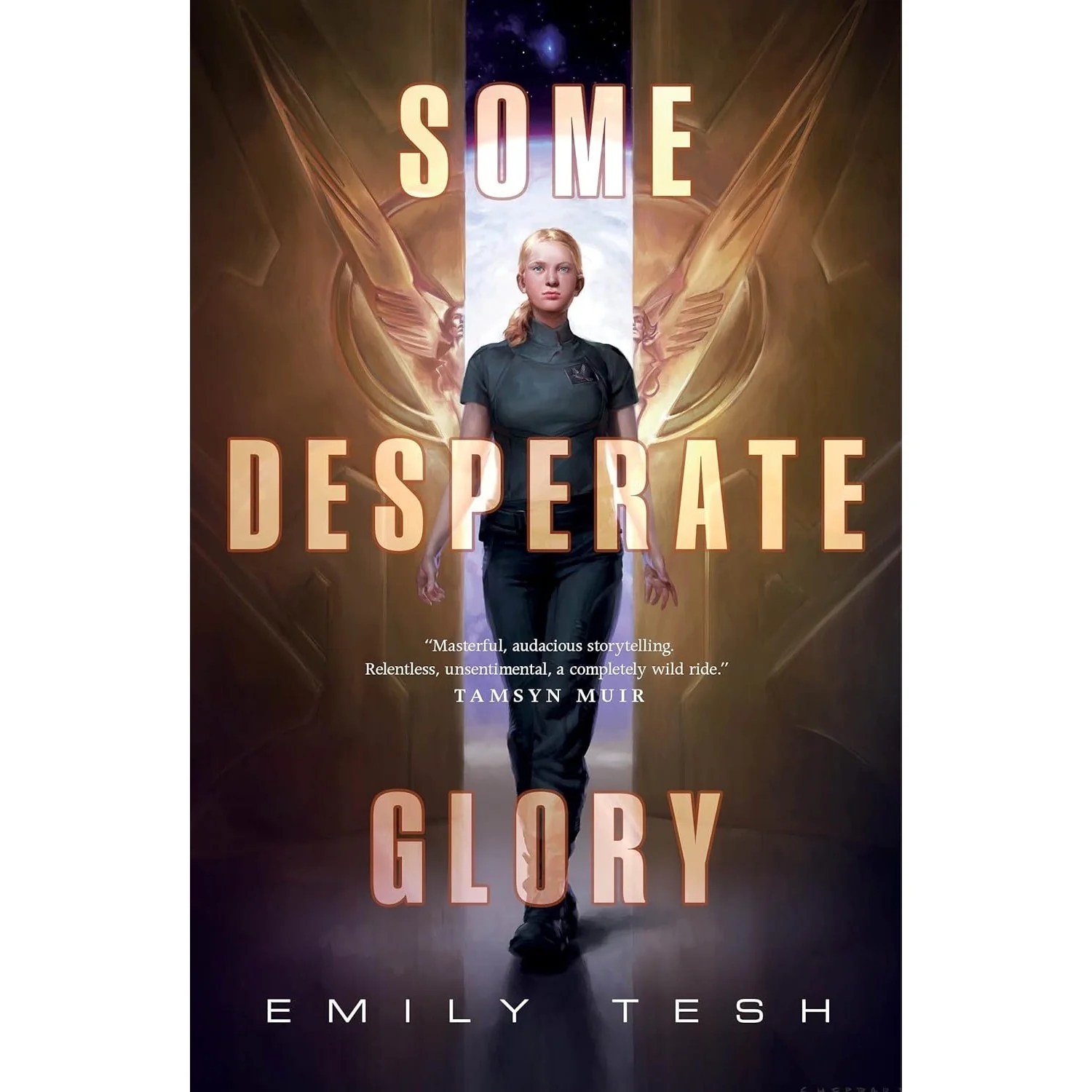
Emily Tesh’s book Some Desperate Glory is an excellent sci fi story (“queer space opera” quoth many other reviewers) about living inside fascism, coming to terms with and recognizing that fascism, and trying to find ways to resist that fascism even when resistance seems impossible. It’s grim. It’s painful. It feels uncomfortably true, real, and relevant. I mentioned it in passing earlier this spring.
This isn’t a book I wanted to feel was more relevant after I finished it, but here we are.
This is also a book that deals with sexual abuse, assault, forced pregnancy, and suicide. I think the story handles them well, but they’re still rough. You’ve been warned.
With all that said, why does this book still feel hopeful to me?
Life has been very full of baby recently. I don’t have a full post for you.
I’ve been lucky enough to play a bit of Cities Without Number with a neighbor and some friends. My other games are basically on hiatus, but being able to start early, end early, and walk less than ten minutes to and from game is amazing. There’s also no way I could be doing this without sometimes bringing baby Gibby with me, or sometimes coordinating extra support for Ley. Asking Ley to take care of the baby without any support while I go play RPGs is no good. Having a two-month old is a lot of work.
Cities Without Number, like other Kevin Crawford titles, could really use some editing. It’s… acceptable. The text is definitely better organized and written than some other RPGs or boardgames I’ve seen. Some of Crawford’s verbosity adds evocative texture to both system and setting, and his approach certainly produces consistently fun results. But…
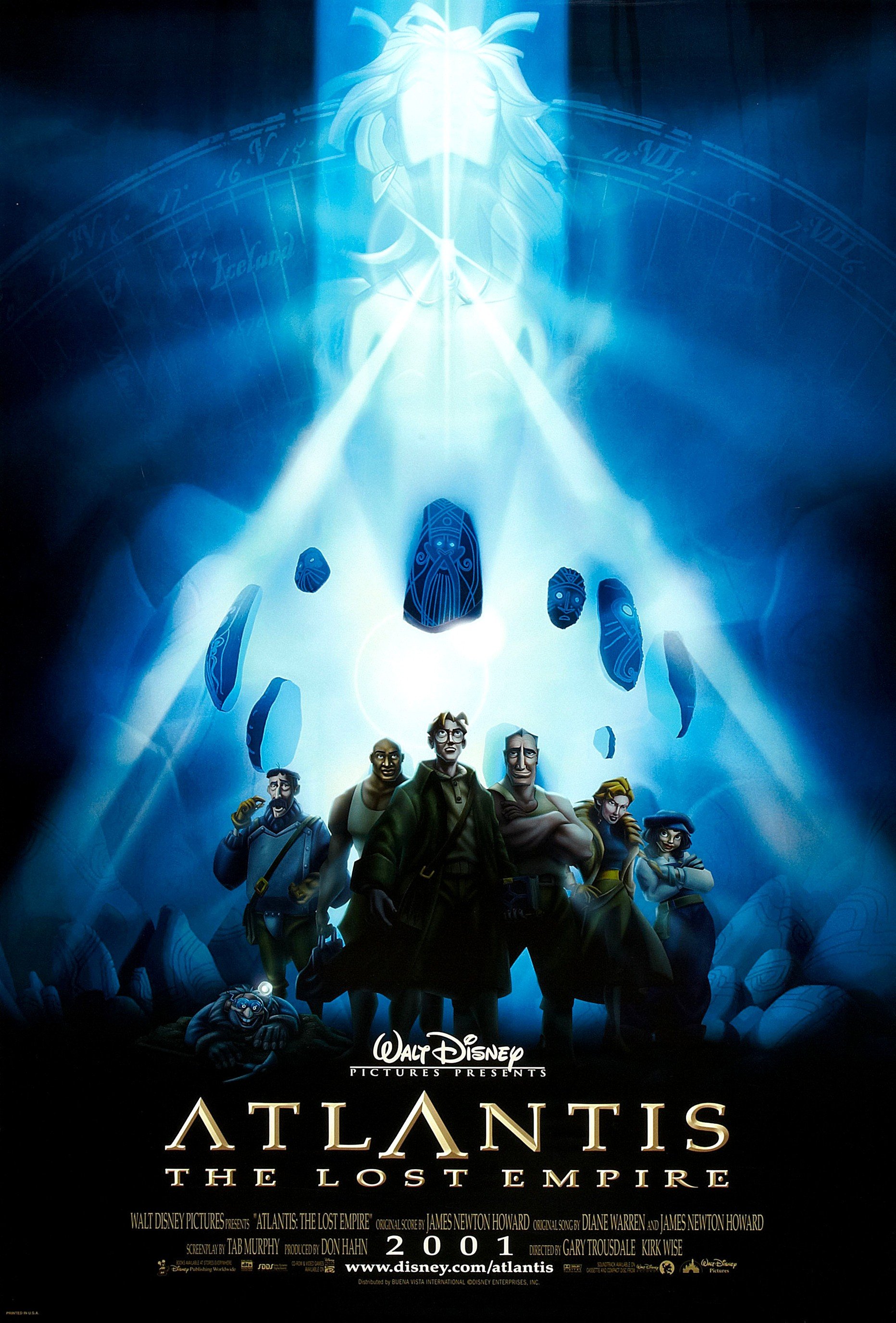
I love Mike Mignola’s style, which permeates everything in this movie. I’m very fond of his Hellboy comics, and had no trouble with this movie’s resulting un-Disney-like animation. Admittedly, some of the animation choices felt a little weird, like the animators struggled at times to convert the character designs into moving figures in ways that felt good. Yet at other points (especially in the movie’s climactic fight scenes) those same characters moved fluidly and naturally through a variety of perspectives, surpassing my expectations beautifully. My love of Mignola’s designs smoothed over the awkward bits for me, and I was very happy overall. If you don’t like Mignola’s art style, or you don’t like the movie’s character designs, you might not enjoy this as much as I did.
Narrative-wise, this movie is… fine? It’s both good and bad.
I love adventure stories, which Atlantis is. I love them so much that I’ll put up with a lot. That said…
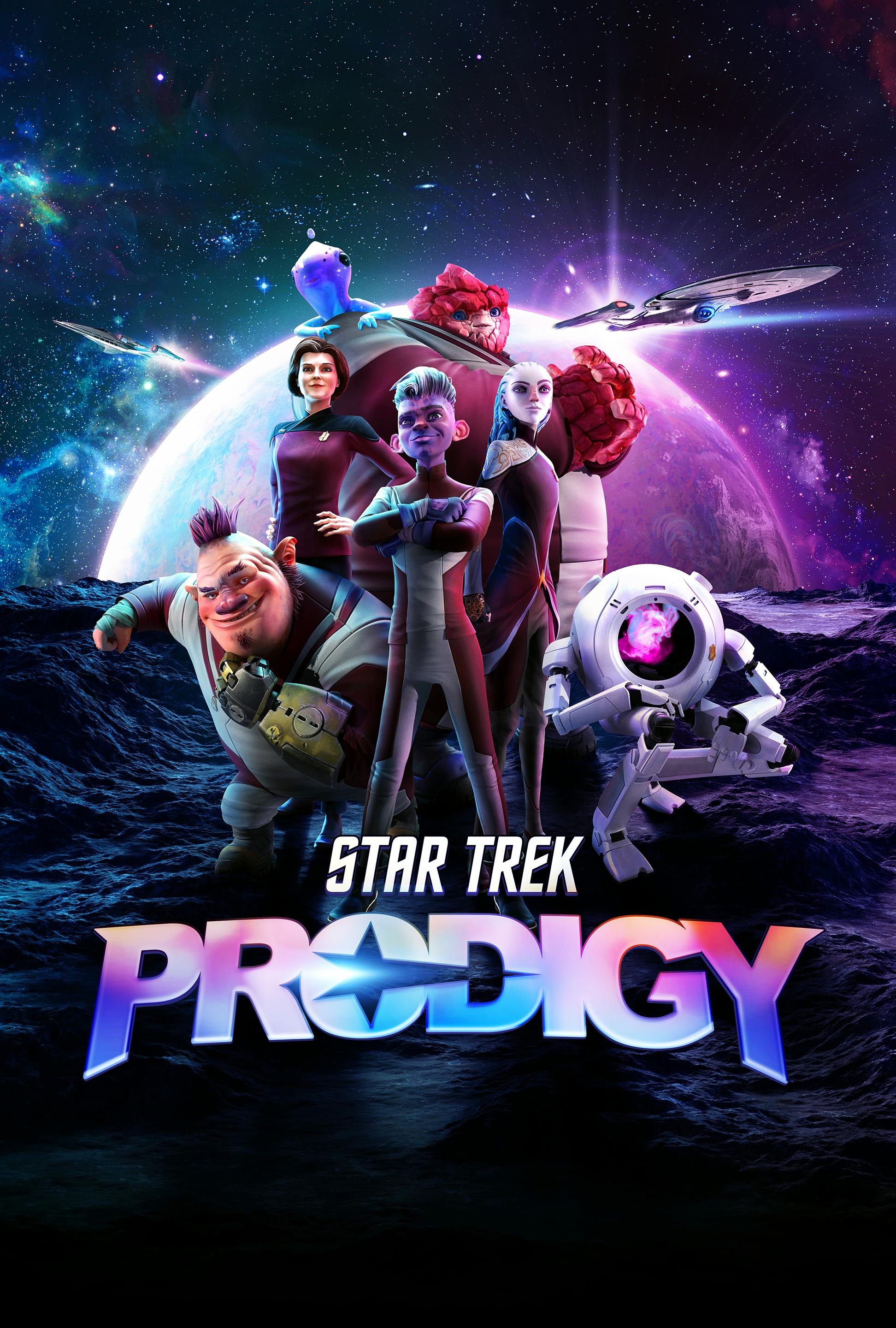
As someone who grew up on Star Trek: The Next Generation,Star Trek: Prodigy didn’t quite feel like a Star Trek show until episode six. That might be a good thing. As much as I love TNG’s broad focus on an ensemble cast with highly episodic story telling, Prodigy’s early adventure-focused plots with clear continuity from one episode to another gives us a narrative throughline that TNG sometimes lacks.
That narrative throughline and dramatic adventure feels a little like Star Trek: Discovery. Discovery felt a little off to me in its first couple seasons, due to its fixation on a single overarching narrative and its exploration of Michael Burnham’s character to the detriment of the broader ensemble cast. It wore the trappings of Star Trek, but felt more like a Star Trek movie turned into a miniseries instead of a Trek TV show. Unlike Discovery, Prodigy bridges the gap from overarching-narrative to interspersed episodic and big-narrative episodes and makes a smooth landing in that Star Trek sweet spot with episodes six and seven. It starts without the Star Trek trappings, but ultimately feels more Trek to me than the first season of Discovery ever did.
Admittedly, I haven’t yet watched much further (I think I’m on episode twelve of season one). I’m not sure that matters. Even with continued exploration of the slightly-more-main characters, the show would have to veer sharply into main-character-ism to lose what it has already established. I think the tonal shift happened at the right time too. The dramatic narrative of the show’s opening episodes feels right for a space adventure, and the transformation into a Star Trek show happens as the crew finally gels and discovers that—despite their disparate backgrounds and disagreements—they share a moral core that is increasingly influenced by the ideals of Starfleet and the Federation.
That transformation feels deeply satisfying. The crew’s growing recognition of their shared moral core feels deeply satisfying too. There’s something funny about that to me; when I started watching Prodigy I wasn’t sure I’d be able to love the show. The first couple episodes felt so strongly like a kids’ show—without the idealistic themes I love and identify with Star Trek—that I feared I’d be stuck enjoying it on only one level as decent children’s fiction. The show’s growth as it moved beyond the opening episodes proved those fears wrong.
If you appreciate good children’s literature (yes, I’m using that to describe a TV show), or if you love Star Trek, then you should do yourself a favor and watch this show. My friends who recommended it to me were totally right. Prodigy takes a couple episodes to really get into gear, but it’s a delight.
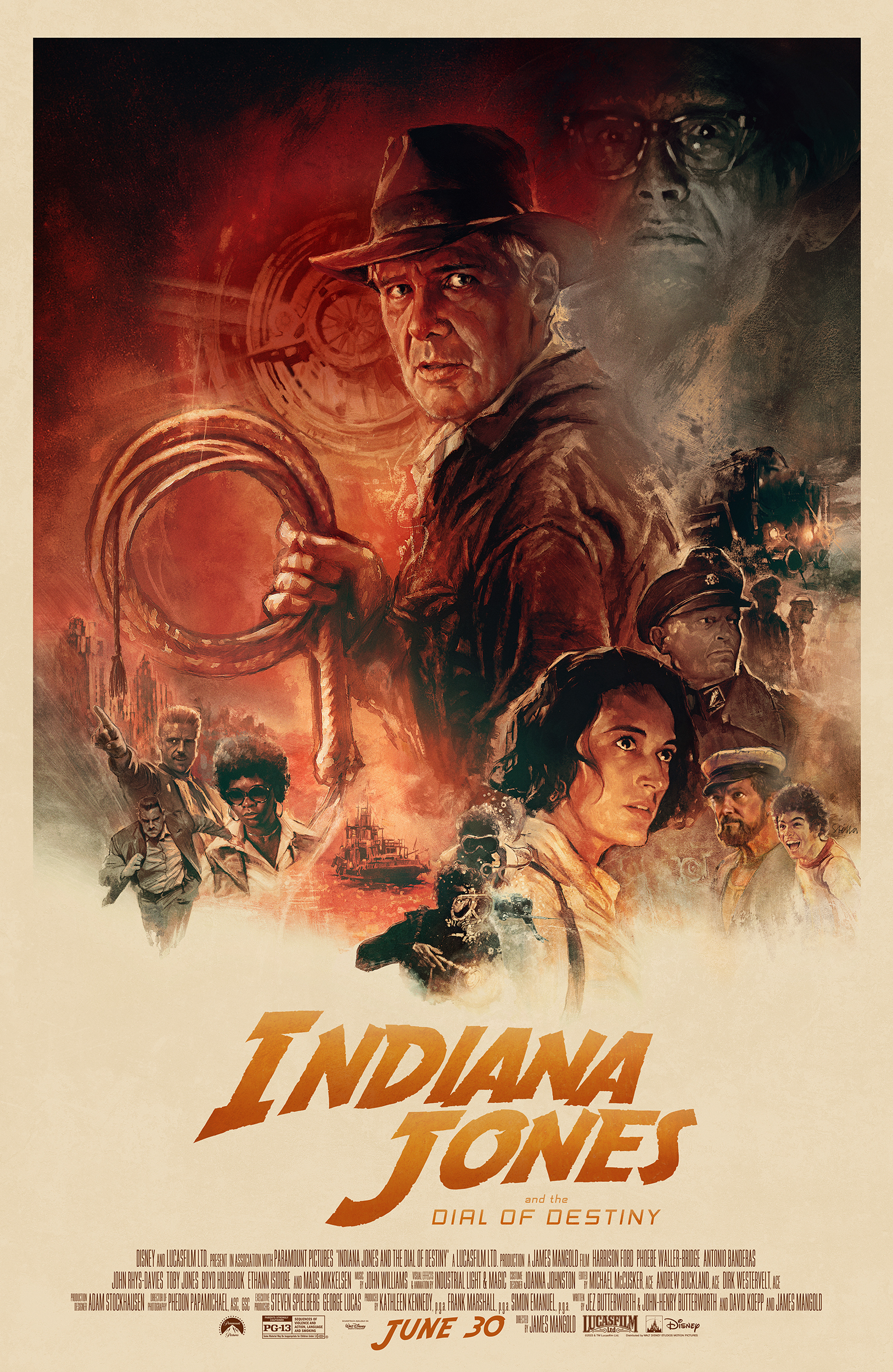
I’m not writing about it here because it was stunning or notable. Hell, part of why I’m writing about it is because it wasn’t stunning or notable. I just rewatched the Tintin movie recently, and I would much rather rewatch that than spend much time dwelling on Indiana Jones and the Dial of Destiny. But I love adventure stories, and this movie is precisely that—and I grew up loving Indiana Jones. So why did this movie feel fun but uninspiring, and what nuggets of goodness can I still find in it?
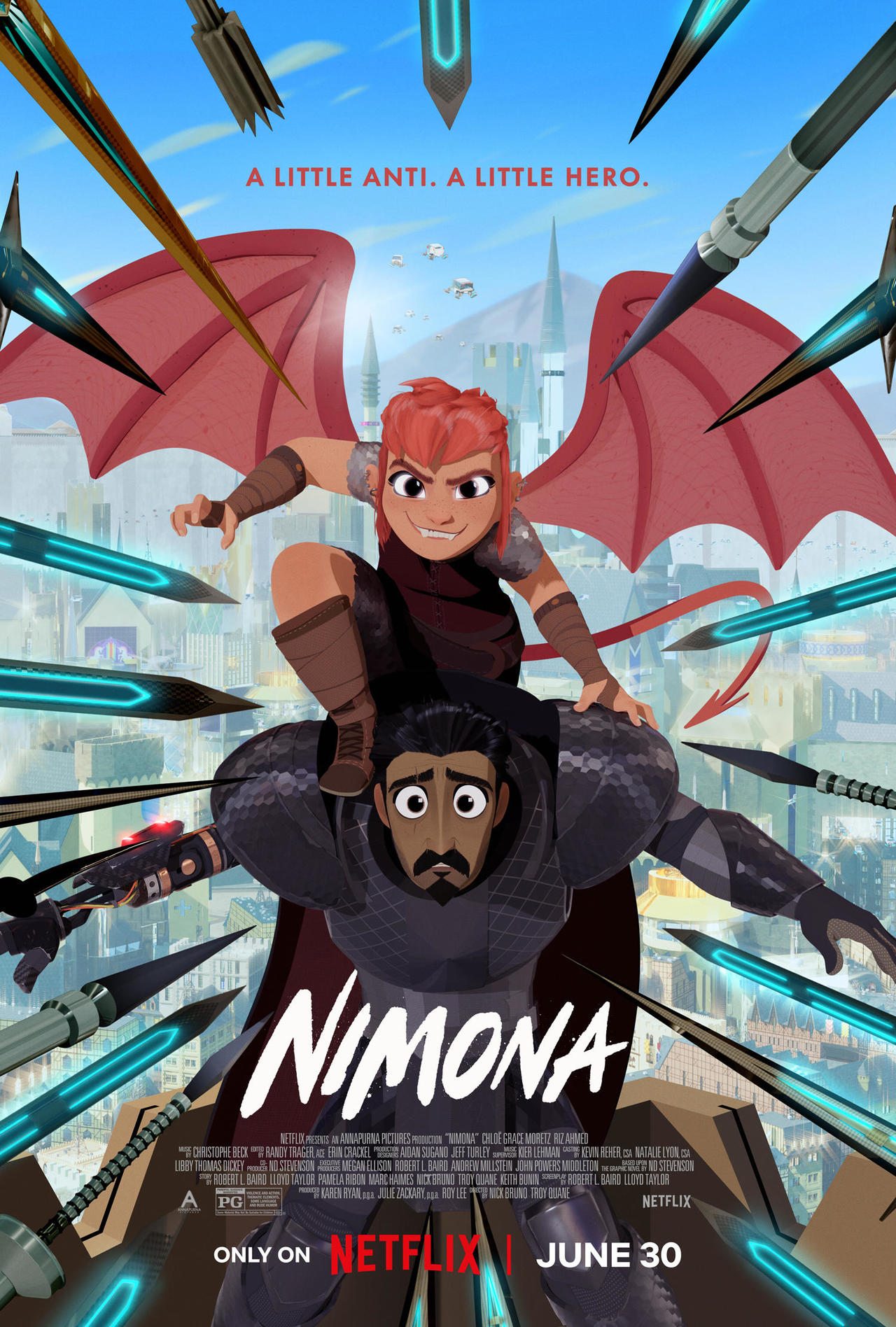
I loved this movie too, right up to the end, even though it was clearly its own take on the story. 90% of this movie, maybe 98% of this movie, did more or less everything I wanted. The actors, animators, and writers did a marvelous job. Then, at the very end, the movie really frustrated me.
I can’t meaningfully talk about this movie, and how I feel about it, without spoiling the end. Suffice to say I didn’t expect this totally predictable ending. I wish they had written a different one. I’ll mark the spoilers below.
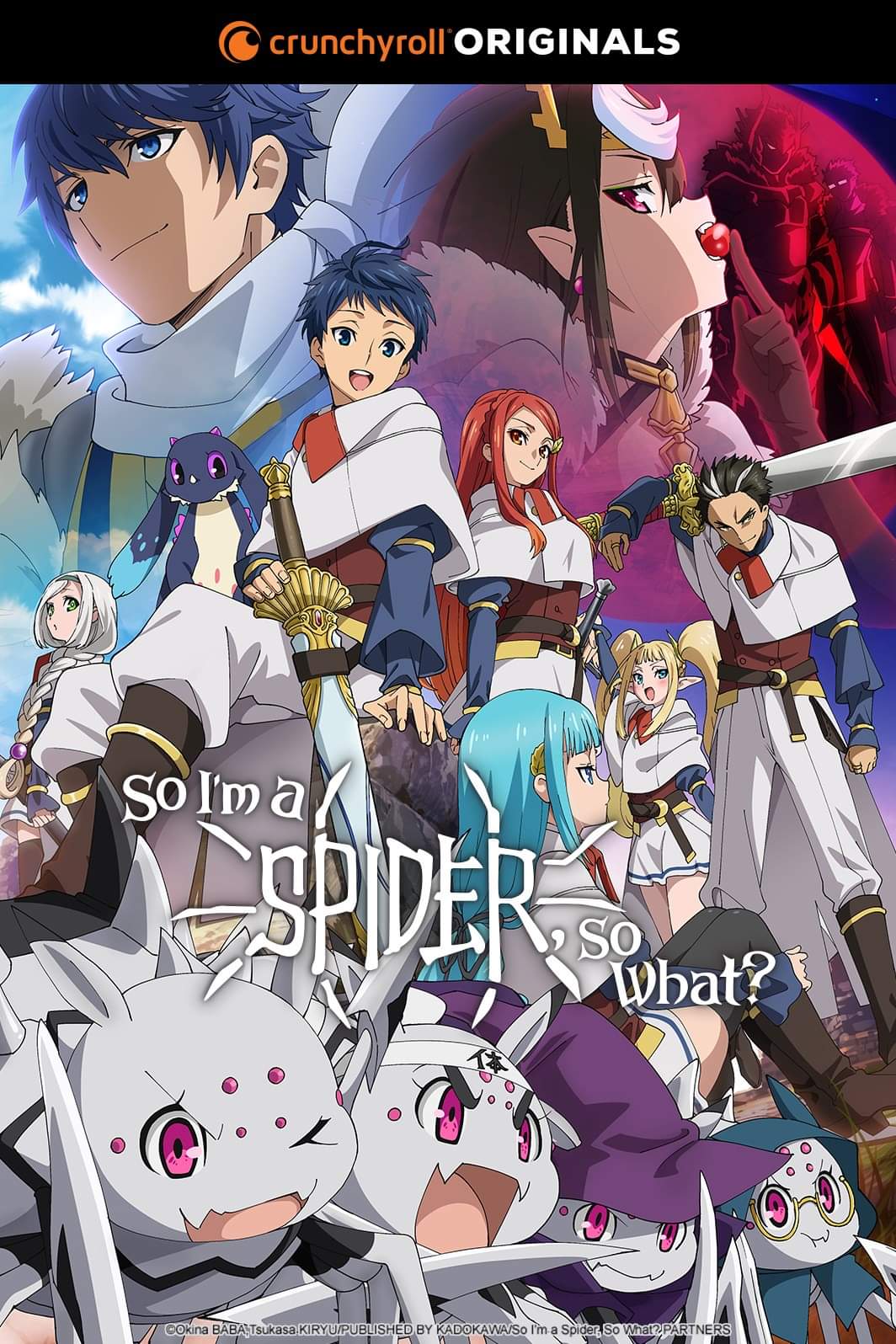
I just wrote about portal fiction and isekai anime, stories about people from one world (usually ours) transposed into a second world. All the stuff I said about loving this genre is still true. And, having just inhaled So I’m A Spider, So What? (an isekai anime about a schoolgirl reincarnated as a spider in a fantasy world), I’ve got some more thoughts for you about the show.

 Fistful of Wits