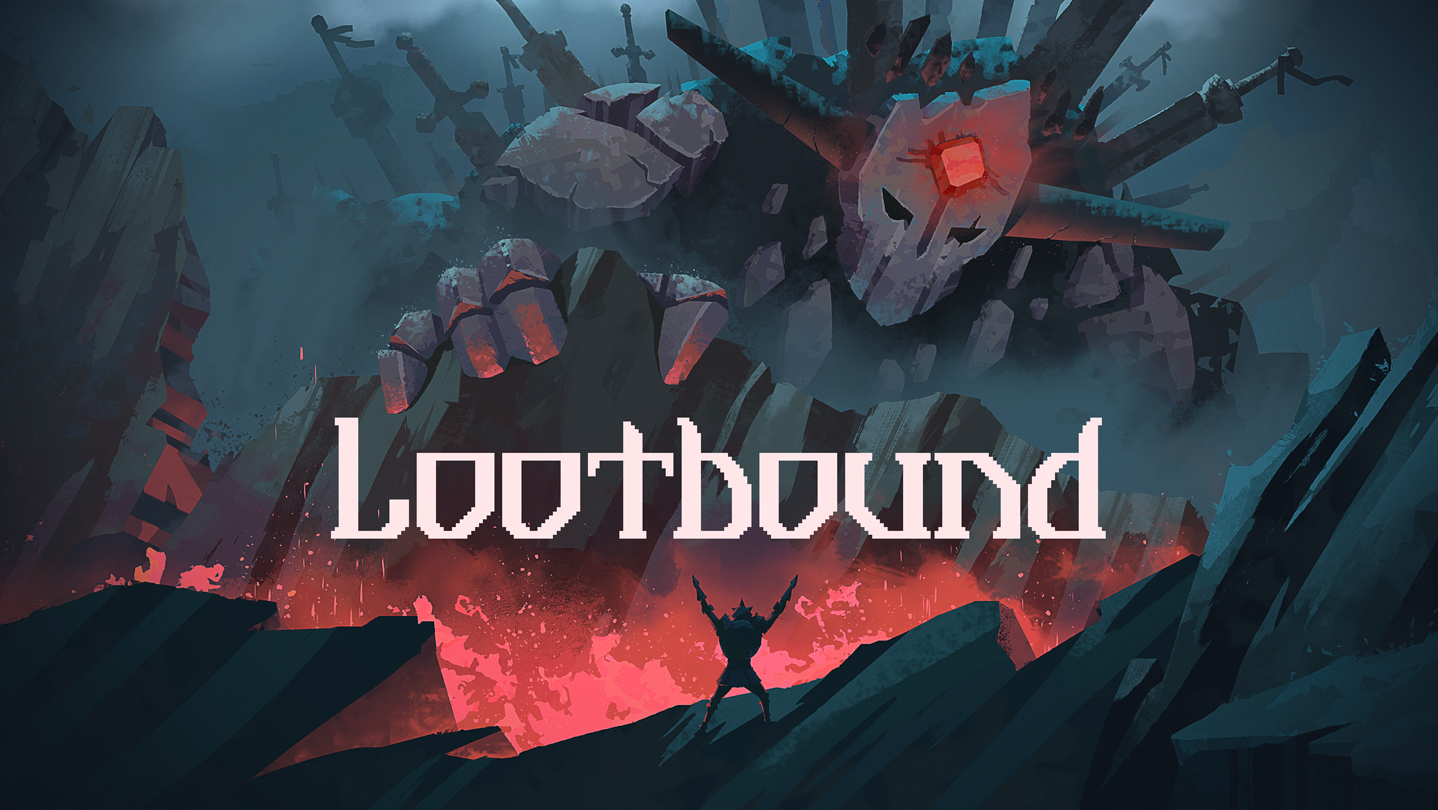
Room to grow: Lootbound (demo)

The Lootbound demo fascinates me. It scratched a series of my itches, handily eating an hour and a half of my Saturday evening and keeping me up past my bedtime. Days after playing it, I find my mind returning to gnaw at its design choices.

It is not, I think, the game for me. But it might be the game for you.

Continue reading

The Creator (2023)

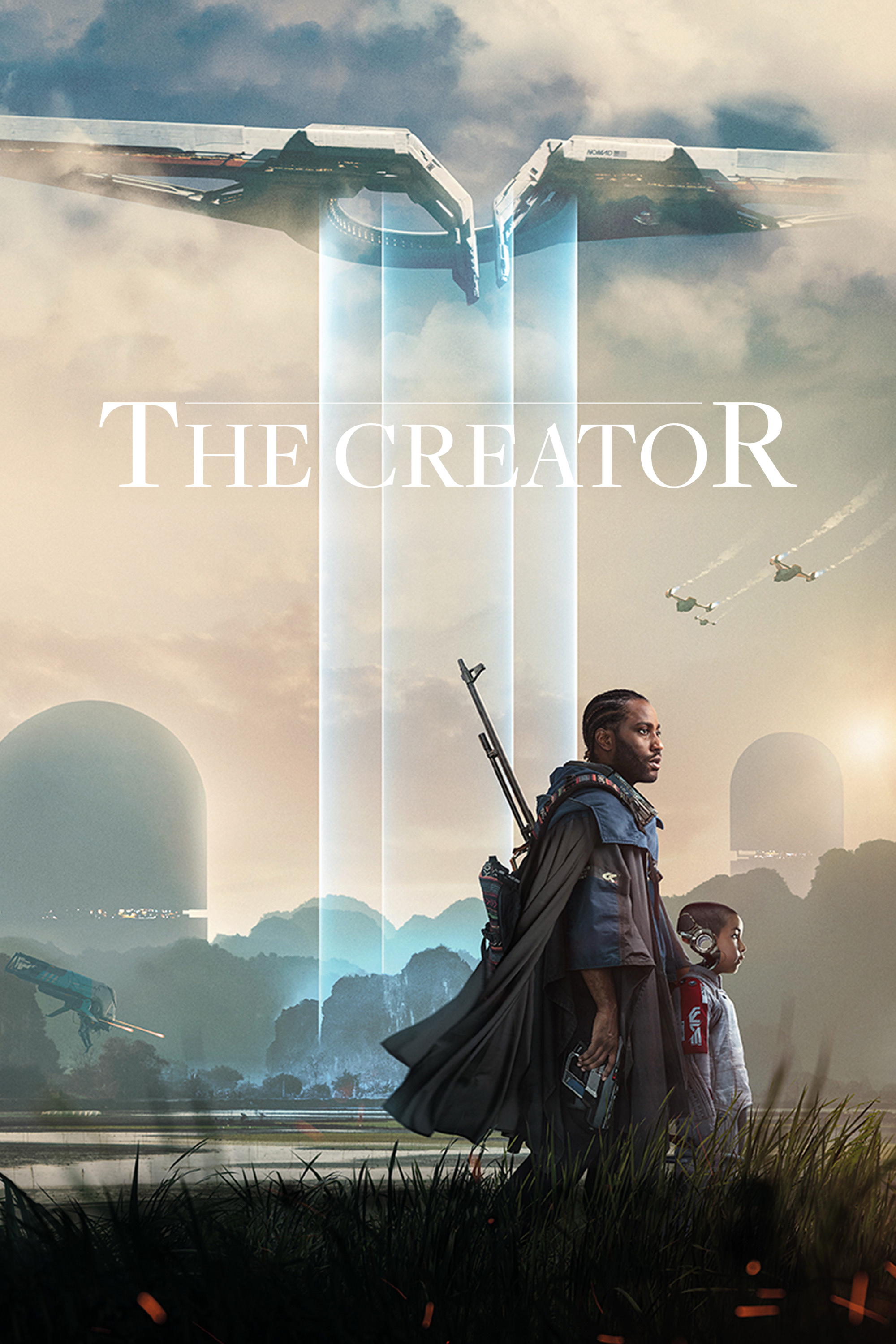
I finally watched The Creator, a movie directed by Gareth Edwards (the director of Rogue One). I’m a fan of Rogue One. I’ve also long loved stories that use AI and cybernetics to dig into our tender, fleshy explorations of humanity and the soul. I’m clearly the target audience.

If anyone were to love a movie about one person caught up in the conflict between AIs living in syncretic coexistence with humanity, and a fearful and hardhearted imperialist anti-AI America, it would be me. And I do! I do love this movie. But… it’s complicated.

I jotted down this note immediately after finishing The Creator:

Continue reading

Teaching storytellers: recipes, ingredients, how to cook

How do you go from “Running a game of D&D sounds fun” to “I have some idea of what to do”?

You could do what I did: play enough RPGs at an early enough age that you don’t remember  feeling daunted by or awkward about the transition from playing to running games. I figured running games was just what you were supposed to do. I paid attention to how my siblings ran games, and I tried to replicate that.

That obviously won’t work for most people. They could try the adult version, playing lots of games run by other people until they have some idea of what to do themselves, but what if they don’t have a good play group? What if they want more tools?

What other entry points can we (the RPG community) offer? What resources and pitfalls should we and new storytellers be aware of?

When I think about resources and pitfalls here, I think of ingredients and recipes. Roleplaying game materials are strong on ingredients; RPG books often include lots of “what” and “who” and even “where” to use in your stories. But these materials are often weak on recipes, and they certainly don’t teach you how to cook; they don’t offer much “why” or even “how”.

Without understanding the “why” and “how,” what is a would-be storyteller to do? How can we help new storytellers learn the why’s and how’s of the art of storytelling?

Continue reading

Why you tilt the camera, Spider-Noir, 6/4/26

I’ve been enjoying watching Spider-Noir with Ley.

I was adamant that we should watch in black and white. Ley was willing to follow my lead. After finishing the first episode we spoke again about whether the show would look as good in color, and they said “No, it’s art.”

It’s not hard to find people who agree with this position online. I happen to think it’s the right one. I’d heard that the show was filmed with black and white in mind, and that seems obvious to me on watching it.

I wanted to be sure, though. I went through different scenes, rewatching them in color. I admit, the color version looks good too! Working in black and white obviously has a cost; I kind of like knowing that Robbie is wearing warm and punchy reddish hues in episode one, and I wouldn’t have known that without going back to check the color version.

But the black and white version sings. Yes, the color version looks good, but it’s a different kind of good—and I’d argue that the color version isn’t the right kind of good for this show. The team that made Spider-Noir knew what they were doing when they shot for black and white. 

That raises some questions though. Clearly, reality isn’t black and white. The filmmakers aren’t working with purely black and white source material. How then are they getting such incredible results?

Like Ley said, it’s art. It’s art, and a lesson in the importance of knowing one’s craft and intended genre. How can we apply that lesson beyond film?

Continue reading